Electric Winch Safety: Common Risks and Safe Operating Practices
Date:2026-08-20 View:40
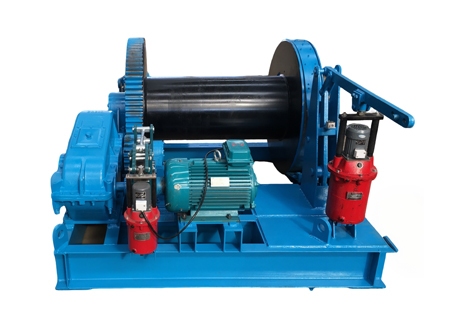
An electric winch is widely used for pulling, hauling, towing, positioning, and, when specifically designed for it, lifting heavy loads. Its electric motor provides controlled pulling force and makes heavy-duty operations faster and more efficient than manual equipment. However, the power of an electric winch also creates potential hazards. Overloading, damaged wire rope, poor anchoring, incorrect operation, and unsafe working areas can all lead to equipment damage or serious accidents. Good electric winch safety starts with selecting the right equipment and continues through installation, inspection, operation, and maintenance. This guide explains the most common winch hazards, frequent operating mistakes, and practical safety practices for daily operation. Common Electric Winch Safety Risks The main hazards associated with an electric winch are usually related to excessive loads, mechanical components, electrical systems, and uncontrolled movement of the load. 1. Overloading the Winch Operating an electric winch beyond its rated capacity is one of the most serious safety risks. Excessive loading can place abnormal stress on the motor, gearbox, drum, brake, wire rope, mounting structure, and anchor point. The required pulling force also depends on the actual working conditions. A load being dragged across a rough surface may require considerably more pulling...