How Much Does a Jib Crane Cost? Price Factors Explained
Date:2026-09-10 View:32
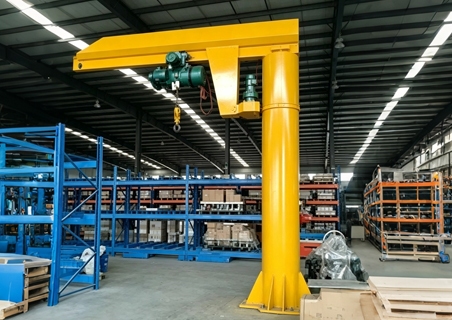
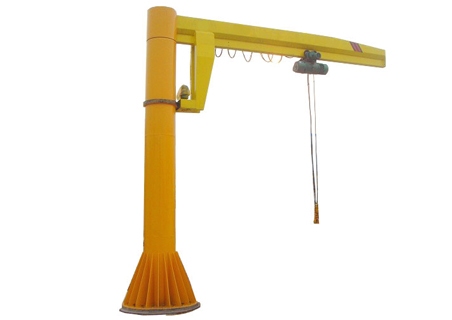
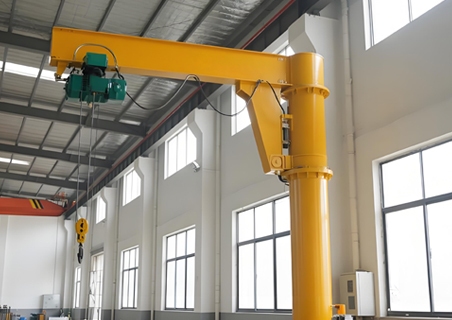
Investing in a jib crane can transform material handling efficiency, but the first question every buyer asks is straightforward: How much does a jib crane cost? The honest answer is that prices vary widely. That gap exists because cost is driven by structural type, load capacity, boom length, hoist configuration, and installation complexity—not just the steel frame itself. This guide breaks down real-world price ranges, explains what drives those numbers, and shows you how to match the right crane type to your application for maximum value. Jib Crane Price Ranges by Type The fastest way to estimate your budget is to identify which of the four main configurations fits your workflow. Type Typical Price Range Best For Wall Mounted Jib Crane $950 – $4,000 Space-limited workshops, assembly stations Mobile Jib Crane $2,000 – $9,000 Temporary or multi-station use Pillar Jib Crane $5,000 – $20,000 Permanent heavy-duty fixed workstations Wall Travelling Jib Crane $6,000 – $30,000 Long bays, automotive lines, large warehouses Wall mounted jib cranes generally offer the lowest entry cost because they eliminate the need for an independent foundation—they bolt directly to existing columns or walls. Mobile jib cranes add value through portability, using a counterweighted base...