Industrial bridge cranes are indispensable in modern manufacturing, logistics, and heavy industry. They allow for the safe, efficient lifting and transportation of materials ranging from small machinery components to massive steel beams. However, selecting the correct working class—or duty classification—for a bridge crane is not merely a technical requirement. It directly impacts operational safety, equipment lifespan, maintenance costs, and overall production efficiency. Misclassifying a crane can lead to premature mechanical failure, unplanned downtime, and even serious accidents, whereas over-specifying a crane can result in unnecessary costs and energy consumption.
The working class of a crane determines its design parameters, including structural strength, motor capacity, rope specification, and control system durability, all tailored to its intended operational profile. Correct classification ensures that the crane can handle its workload reliably under expected conditions, including load frequency, load spectrum, and environmental challenges.
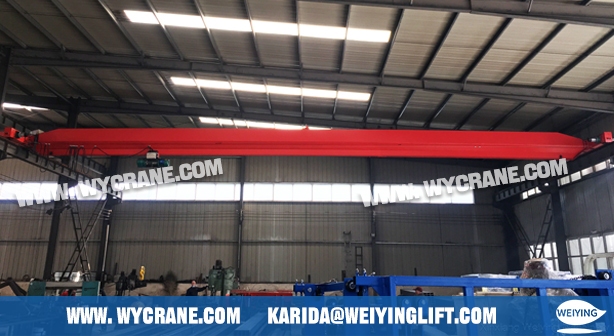
Working class standards exist to match crane design with operational demands. Their importance cannot be overstated, as they affect three major aspects:
Ignoring working class standards can result in cranes that are either over-stressed or underutilized. Over-stressed cranes fail prematurely, while underutilized cranes represent a poor investment. Both scenarios negatively impact operational efficiency and financial outcomes.
Selecting the correct working class involves evaluating multiple operational and environmental factors:
Load Spectrum: This includes the maximum, minimum, and average weights lifted by the crane. A crane repeatedly handling loads near its maximum rating experiences accelerated fatigue.
Frequency of Operation: The number of lifts, starts, and bridge movements per hour determines mechanical wear. High-frequency operations require cranes with more robust components and higher-duty classification.
Operating Environment: Cranes in dusty, humid, chemical, or explosive environments face additional stresses. Temperature extremes and corrosive atmospheres can degrade materials faster than standard conditions.
Impact Loads and Shock: Dynamic loading, such as sudden lifting, jerking, or uneven weight distribution, imposes extra stress on structural components and hoist mechanisms.
Duty Cycle Patterns: Continuous 24/7 operation requires a higher working class than intermittent daytime usage.
Bridge cranes are commonly classified from A1 (very light-duty) to A8 (extremely heavy-duty). Each class defines operational limits and expected usage intensity.
| Working Class | Typical Usage | Load Frequency | Example Applications |
| A1 | Very light | Rare | Small maintenance workshops or laboratories |
| A2 | Light | Infrequent, low weight | Light component assembly or small warehouses |
| A3 | Light-medium | Occasional, moderate weight | General workshops, storage handling |
| A4 | Medium | Moderate, repetitive | Manufacturing plants, packaging lines |
| A5 | Medium-heavy | Frequent, higher weight | Steel fabrication, metal workshops |
| A6 | Heavy | Frequent, long-duration | Foundries, shipyards, logistics centers |
| A7 | Very heavy | Continuous, high weight | Large-scale industrial production lines |
| A8 | Extremely heavy | Continuous, maximum weight | Specialized lifting, bulk material handling, mining operations |
Crane working class definitions can vary across international standards:
| Standard | Class Range | Basis of Classification | Notes |
| ISO 4301-1 | A1–A8 | Average load, cycles/hour | Internationally recognized and widely adopted |
| FEM 1.001 | M1–M8 | Maximum load, starts/hour | Commonly used in European industrial cranes |
| CMAA (USA) | Class A–F | Load cycles and operational type | Primarily used in North America, emphasizes crane lifecycle |
Awareness of these differences is crucial for plants operating internationally or sourcing cranes from different regions. Proper translation of duty classification prevents underperformance or over-engineering.
“Higher class cranes are always safer.” Over-specifying a crane increases cost and energy use without necessarily improving safety. Proper matching to actual usage is more important.
“Low-load frequent lifts are negligible.” Even light loads can fatigue structural elements if the cycle frequency is high.
“All cranes in a facility can share the same class.” Each crane must be evaluated individually based on its lifting requirements, environmental conditions, and operational patterns.
Misunderstandings of working class requirements are a frequent cause of early failures and accidents in industrial facilities.
Selecting the right working class requires a systematic approach:
Assess Operational Conditions: Document load weights, lifting frequency, environmental factors, and impact loads.
Consult Authoritative Standards: ISO, FEM, or CMAA provide detailed guidelines for crane classification.
Factor in Safety Margins: Account for peak loads, occasional misuse, and environmental stresses.
Collaborate with Manufacturers: Technical experts can ensure that motors, hoists, and structures meet the demands of the selected working class.
Monitor and Adjust: Maintain logs of operational cycles and adjust crane usage or classification as workloads evolve.
A steel fabrication plant in Germany experienced frequent downtime due to wear and failure on its A3-class overhead cranes, initially intended for moderate-duty handling. The plant’s operations involved moving steel coils averaging 5–10 tons, with over 200 lift cycles per day, including occasional dynamic handling that exceeded the design assumptions of the A3 classification.
After conducting a thorough assessment aligned with FEM 1.001 guidelines, the plant upgraded the cranes to A5 working class, which included:
The results were significant: mechanical failures dropped by 70%, operational reliability improved, and the cranes’ lifespan increased by several years. This case highlights the importance of matching working class to actual operational conditions rather than theoretical or minimal assumptions.
The correct working class selection is fundamental to crane safety, reliability, and efficiency. Operators must evaluate real-world usage, environmental conditions, load spectrum, and duty cycles to determine the proper classification. Consulting authoritative standards, engaging technical experts, and monitoring crane usage ensures that the bridge crane performs optimally, reduces maintenance costs, and protects both workers and equipment. Properly classified cranes are a long-term investment in operational safety, efficiency, and financial prudence.
>The Guide to Overhead Crane Operator Safety Standards
>Fall Protection in Crane Operations: Risks, Compliance, and Safer Engineering Solutions
>5 Ton Overhead Crane: A Comprehensive Guide to Choosing the Right Equipment
>Understanding Overhead Bridge Crane Load Capacity and Why It Matters
No. They share similar concepts but use different classification systems:
Each focuses on slightly different aspects such as load spectrum, starts/hour, or operational environment. For international projects, correct conversion is essential.
Common signs include:
If your crane is used far more intensively than originally expected, you may need to upgrade to a higher working class.
Not necessarily.
Higher classes cost more and consume more energy. A crane should be matched to its actual workload, not simply over-engineered. The goal is optimal performance and cost efficiency—not the highest rating.
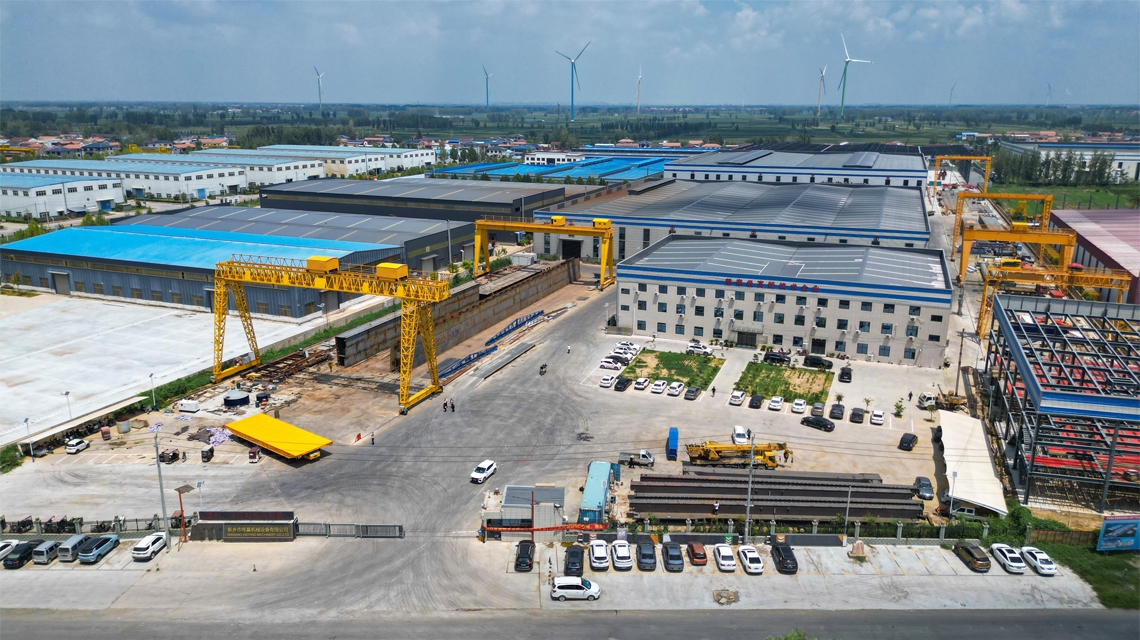
With 34 years of manufacturing experience and 12 years of export expertise, we have built a dual advantage of professional qualifications and a global presence. Our business covers more than 100 countries and regions across Asia, Europe, the Americas, Africa, and Oceania. We are certified under the ISO management system and hold CE product certifications. Our main product lines include six major series—electric hoists, electric winches, gantry cranes, bridge cranes, marine cranes, and portal cranes—comprising nearly 100 different models.
If you want to learn more, please contact us.
E-mail address: karida@weiyinglift.com
Website: www.wycrane.com