Selecting the correct voltage and power configuration for a bridge crane is far more than a simple electrical decision—it directly influences operational reliability, energy efficiency, equipment lifespan, and workplace safety. For international buyers, voltage selection becomes even more complex due to regional electrical standards and compliance regulations in markets such as the United States, Japan, and India.
This comprehensive guide explores why power analysis matters, how voltage options vary across regions, the typical power configurations used in bridge cranes, and what practical issues buyers must consider before making a purchase.

A bridge crane is a heavy-duty piece of industrial equipment that relies on stable, consistent electrical power to perform critical lifting tasks. Power analysis is important for several key reasons:
Voltage inconsistencies can result in weak lifting torque, slow travel speeds, overheating motors, or unexpected shutdowns. Proper power analysis ensures that the crane delivers its rated lifting capacity and performs reliably under normal and heavy-duty cycles.
Motors, inverters, limit switches, PLCs, and control systems are extremely sensitive to overvoltage and undervoltage. Incorrect power configurations may shorten component lifespan or cause irreversible damage.
Many countries enforce strict electrical standards for industrial equipment. Using non-compliant voltage configurations can lead to installation delays, failed inspections, or even legal penalties.
Optimized power configurations ensure better motor efficiency, lower heat generation, and consistent load handling—ultimately reducing operating costs.
Modern bridge cranes typically operate on three-phase AC power because it provides high efficiency, stable torque, and lower line losses. The most common voltage configurations include:
Most industrial cranes require either:
A mismatch between crane motor frequency and local supply frequency can dramatically affect motor RPM and mechanical performance, making frequency compatibility just as important as voltage.
A standard international crane manufacturer typically offers:
For special applications, manufacturers may also provide:
Understanding regional variations is crucial for international buyers. Below are several noteworthy cases.
In the United States, industrial facilities commonly operate using:
OSHA and NEC compliance are mandatory.
Cranes supplied to this market must be compatible with:
Across the EU, the standard is:
European buyers must meet:
This region has relatively stable power infrastructure, but harmonics from VFDs must be controlled to protect facility power networks.
Japan is one of the rare countries with two different frequencies:
Voltage is also unique:
This requires:
Japan’s dual-frequency grid is a prime example of why understanding local power systems is essential before ordering a bridge crane.
In India, the most common supply is:
However, India is known for:
To mitigate these issues, buyers often request:
Countries such as Saudi Arabia, UAE, and Qatar follow:
However, the region’s extreme heat (40–55°C) may require:
Many Central and South American countries use:
This mix often forces manufacturers to create custom voltage designs for cross-regional operations.
Voltage is just one aspect of crane power configuration. Other crucial factors include:
| Key Factor | Why It Matters | Practical Implications |
| Crane Duty Classification | Higher working classes (A5–A8) perform more frequent or heavy lifting cycles, increasing electrical demand. | – Larger motors required – Higher starting torque – Stronger transformers to handle peak currents |
| Travel Distance & Runway Length | Long runways increase cable length and electrical resistance, causing voltage drop. | – Additional power losses – Need for conductor rails or busbar systems – Possible need for larger cross-section cables |
| Motor Type & Drive System | VFD (Variable Frequency Drive) systems are sensitive to harmonics and grounding quality. | – Requires harmonic protection – Must ensure proper grounding – Needs stable, clean power supply for optimal performance |
| Environmental Conditions | Harsh environments affect electrical components and insulation reliability. | – Sealed or dust-proof cabinets – Cooling/ventilation units – Explosion-proof or high-protection-grade motors |
| Facility Power Stability | Regions with unstable grids pose risks to motors and control systems. | Regions with unstable grids pose risks to motors and control systems.- Risk of motor overheating – Brake control issues – Irregular hoist speeds – May require stabilizers, surge protectors, or UPS systems |
| Challenge | Solution |
| Voltage Fluctuations | Install industrial-grade stabilizers and surge protectors. |
| Incorrect Frequency | Choose motors and VFDs matched to local frequency; otherwise, use a motor rated for dual frequency. |
| Long Power Transmission Distance | Use conductor rails or copper busbars to reduce voltage drop. |
| Harmonics from VFD Systems | Apply harmonic filters or select VFDs with built-in reactive compensation. |
| Importing Equipment That Does Not Meet Local Codes | Request compliance certification:
|
Before ordering a bridge crane, buyers should clearly communicate:
Local Voltage and Frequency:Provide official documentation from the power utility if possible.
Regional Electrical Codes:This prevents last-minute redesigns or installation delays.
Special Application Requirements:High-temperature operations\Explosive environments\Heavy dust or corrosive atmospheres
Expected Duty Cycle:Affects motor sizing, VFD selection, and transformer requirements.
Power Supply Distance and Crane Travel Length:Ensures proper conductor bar or festoon system selection.
Backup Power Requirements:Critical in industries like steel mills, power plants, and automated warehouses.
A manufacturer supplying a 10-ton overhead crane to Tokyo must design for:
A standard 380V motor cannot be used. Instead:
This example highlights why global buyers must verify local power standards early in the procurement process.
Selecting the correct voltage configuration for a bridge crane is a critical part of system design and regional compliance. Power analysis helps ensure safe and reliable crane performance, prevents electrical failures, and guarantees conformity with national regulations. Because voltage, frequency, and power stability vary significantly across regions—from Japan’s dual-frequency system to North America’s 480V standard—buyers must communicate their electrical environment in detail before placing an order.
By understanding regional standards, power supply challenges, and the factors that influence crane power demands, businesses can confidently choose a bridge crane that delivers long-term reliability, efficiency, and safety.
>Overhead Crane Safety Operation Guide
>5 Ton Overhead Crane: A Comprehensive Guide to Choosing the Right Equipment
>Overhead Crane Anti-Swing System: How Does It Reduce Accidents and Improve Efficiency?
Not directly. A mismatch between frequency and motor design can lead to higher motor speed, overheating, reduced torque, and shorter motor life. Buyers should request a frequency-matched or dual-frequency motor.
Unstable voltage causes motor overheating, abnormal hoist speed, brake malfunction, and damage to electrical components. The ideal solution is installing voltage stabilizers, surge protectors, or a UPS system.
VFDs generate harmonic distortion that can affect other electrical equipment, increase heat, and reduce efficiency. Harmonic filters or low-harmonic VFDs ensure stable operation.
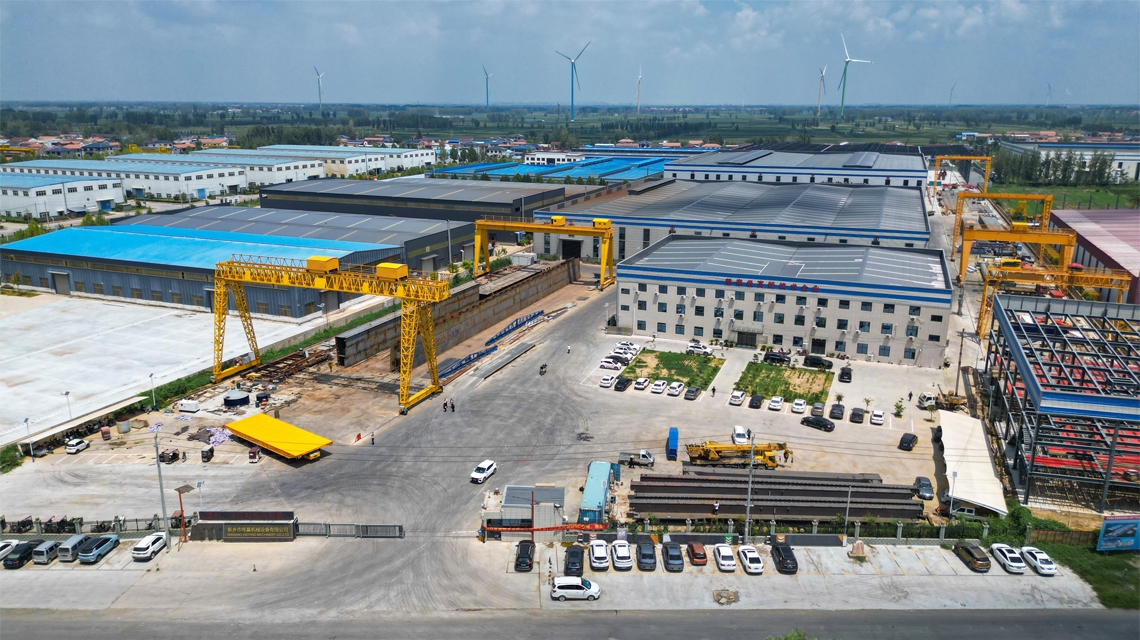
With 34 years of manufacturing experience and 12 years of export expertise, we have built a dual advantage of professional qualifications and a global presence. Our business covers more than 100 countries and regions across Asia, Europe, the Americas, Africa, and Oceania. We are certified under the ISO management system and hold CE product certifications. Our main product lines include six major series—electric hoists, electric winches, gantry cranes, bridge cranes, marine cranes, and portal cranes—comprising nearly 100 different models.
If you want to learn more, please contact us.
E-mail address: karida@weiyinglift.com
Website: www.wycrane.com