Bridge cranes are essential in many industrial environments, providing reliable lifting capabilities for heavy materials and equipment. However, the question of whether bridge cranes can occasionally be overloaded remains a topic of concern. In this article, we will explore the importance of safety margins in bridge crane design, the impact of overloading on crane longevity, and the considerations for selecting appropriate lifting equipment for different needs.
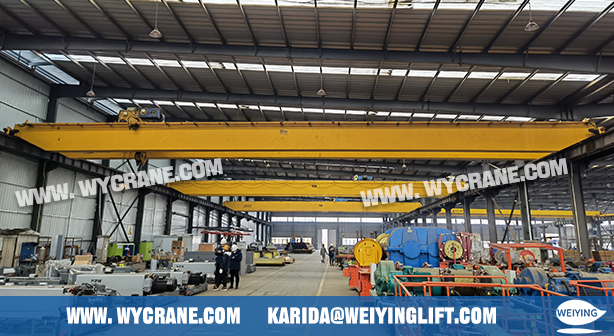
In the design of bridge cranes, safety margins play a critical role in ensuring that the crane can handle more than just its rated load capacity. A safety margin is essentially an additional buffer built into the design of the crane to account for unforeseen stresses and ensure that it operates safely under various conditions.
For example, a crane rated to lift 5 tons might be designed with a safety margin that allows it to safely lift up to 6.25 tons (a 25% margin). This extra capacity is meant to handle unexpected factors such as wind, sudden jerks, or slight miscalculations in load distribution.
The rationale behind safety margins is that cranes might experience conditions beyond the simple calculations of load capacity. These conditions could involve:
While safety margins provide additional protection, they are not a license to overload the crane regularly. These margins are designed to handle exceptional, not routine, conditions. If a crane consistently operates near or beyond its rated capacity, the safety margin becomes irrelevant, and the crane’s integrity could be compromised.
The short answer is: no, bridge cranes should not be subjected to occasional overloading. Even if the crane appears to manage the load without immediate failure, overloading puts significant strain on its components, reducing its lifespan and increasing the risk of failure over time.
When a crane operates near or beyond its rated capacity, even occasionally, it accelerates wear and tear on essential components like the hoisting mechanism, structural beams, and motor. Frequent overloading can lead to premature failure of parts that would otherwise last much longer under normal conditions. It’s also important to remember that the rated load for a bridge crane is calculated based on the structural integrity of the crane, including the strength of materials and the ability to withstand stresses. Exceeding this capacity might not immediately result in failure, but it will gradually weaken the crane over time.
Operating a bridge crane at or near its rated capacity for extended periods or beyond it, even occasionally, can severely affect the crane’s lifespan. The safety margin is included not just to handle unexpected spikes in load but to account for the wear on the crane’s components under normal conditions. If a crane is used in a near-full-load or overloaded condition frequently, it will:
For industries that require frequent lifting of heavy loads, it’s essential to select the correct equipment that matches the required lifting capacity and frequency. While the rated capacity of bridge cranes is usually adequate for most operations, specific needs—such as lifting irregular loads, frequent operations, or high-duty cycles—may call for specialized equipment.
For such cases, industries may look for cranes with:
| Crane Type | Applicable Scenarios | Rated Load Capacity | Key Features |
| Heavy Duty Bridge Crane | Steel manufacturing, shipyards, heavy machinery assembly | 50 tons – 500 tons | – Designed for high-frequency, heavy-load operations – High-strength steel construction – Can be customized for large spans and lifting heights |
| Double Girder Bridge Crane | Large warehouses, factories, frequent heavy load handling | 10 tons – 100 tons | – Double girder design for higher load capacity – Stable, can handle large spans – Ideal for frequent use |
| Rail-Mounted Bridge Crane | Ports, large assembly lines, automated warehouse systems | 15 tons – 200 tons | – Designed for rail or track-mounted operations – High stability, suitable for large spans |
Yes, hoists and trolleys may have different rated loads compared to the bridge crane. The crane’s overall capacity is determined by the bridge structure, while hoists and trolleys are rated based on their own mechanical design and operational limits. It’s important to match the rated capacity of all components when choosing lifting equipment to ensure compatibility and prevent overload situations.
In 2015, a large steel mill in the United States experienced a crane failure when a bridge crane was used to lift an oversized load that exceeded its rated capacity by approximately 10%. The crane was able to lift the load initially, but during the operation, a structural failure occurred in the hoist system, causing the load to fall and leading to significant damage to both the crane and the surrounding equipment.
This incident highlighted the dangers of even occasional overloading, as the crane’s design was not built to withstand the extra load. The repair costs were high, and production was halted for several weeks while the crane was repaired and upgraded. The mill later implemented stricter load monitoring procedures and conducted further training for operators on adhering to crane load limits.
There are also legal frameworks and safety standards that address the issue of overloading cranes. For example, the Occupational Safety and Health Administration (OSHA) in the United States has regulations in place (29 CFR 1910.179) that govern the operation of overhead and gantry cranes. These regulations explicitly state that cranes should not be used for loads exceeding their rated capacity.
Similarly, international standards such as ISO 12482 and EN 13001 provide guidelines on the safe use of cranes and lifting equipment, emphasizing that cranes must be operated within their rated load capacities to ensure safety and maintain operational integrity.
While the design of a bridge crane includes safety margins, it is critical to understand that overloading—whether occasionally or frequently—is not recommended. It puts the crane’s structural integrity at risk, accelerates wear and tear, and significantly shortens its lifespan. For industries requiring frequent heavy lifting, selecting appropriately rated cranes and other lifting equipment is essential. Always adhere to the manufacturer’s specifications, and ensure compliance with safety regulations to ensure the longevity of the crane and protect workers from accidents.
By making informed decisions about crane operation and adhering to safety standards, companies can maintain productivity while minimizing the risks associated with overloading.
>5 Ton Overhead Crane: A Comprehensive Guide to Choosing the Right Equipment
>How Many Slings Can Be Attached to a Crane Hook? A Complete Professional Guide
>Overhead Crane Safety Operation Guide
Ignoring load limits can lead to:
If your operations require lifting loads that exceed the crane’s rated capacity, you should:
Signs of overloading include:
If you notice these signs, it’s essential to stop using the crane and inspect it immediately for potential damage.

With 34 years of manufacturing experience and 12 years of export expertise, we have built a dual advantage of professional qualifications and a global presence. Our business covers more than 100 countries and regions across Asia, Europe, the Americas, Africa, and Oceania. We are certified under the ISO management system and hold CE product certifications. Our main product lines include six major series—electric hoists, electric winches, gantry cranes, bridge cranes, marine cranes, and portal cranes—comprising nearly 100 different models.
If you want to learn more, please contact us.
E-mail address: karida@weiyinglift.com
Website: www.wycrane.com