Overhead cranes are mission-critical lifting systems widely used in manufacturing plants, steel mills, logistics warehouses, ports, and assembly workshops. Their large lifting capacities and high operating frequency make them indispensable—but also inherently high-risk.
Improper crane operation contributes significantly to industrial accidents, such as dropped loads, collisions, structural failures, and fatal injuries.
This guide summarizes the global safety standards, operator requirements, inspection rules, and best practices essential for maintaining a safe lifting environment.
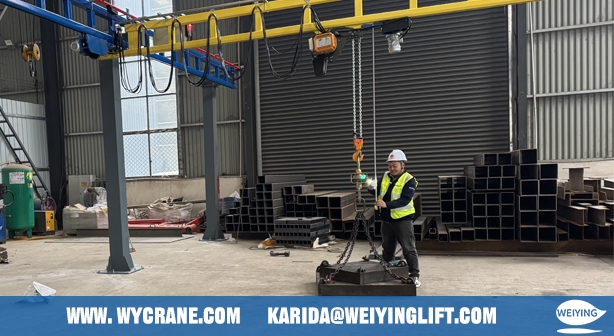 | 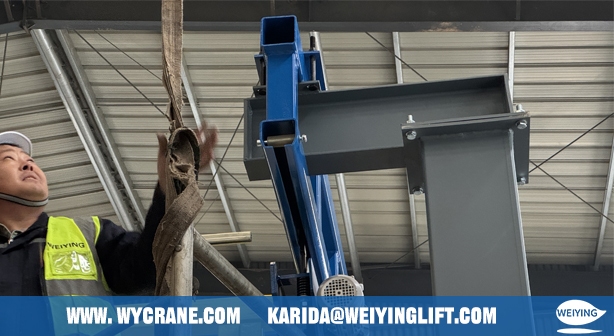 |
International regulations define mandatory requirements for safe crane use. The most commonly adopted references include OSHA, ASME, ISO, and FEM.
OSHA mandates rules related to:
crane design, rated load marking
brake systems, hoist limit switches, electrical safety
operator training & qualification
inspection intervals & documentation
standardized safe operation procedures
OSHA emphasizes preventing mechanical failure, electrical hazards, and load handling risks.
ASME standards provide more detailed engineering guidance:
operator duties & responsibilities
communication and signaling
rigging and sling requirements
prohibited operations
inspection & maintenance practices
ASME is highly technical and widely used for engineering design and procedural development.
ISO 9927 and FEM 9.755 define requirements for:
periodic inspection
duty cycle classification
structural performance & fatigue
advanced safety systems
European standards emphasize lifespan management, fatigue monitoring, and automation-based safety.
| Region | Recommended Framework |
|---|---|
| U.S. | OSHA + ASME |
| Europe | EN + FEM |
| Multinational companies | Hybrid system |
A strong safety system typically blends multiple standards depending on equipment origin and site requirements.
To operate an overhead crane, personnel must be trained, certified, and authorized.
Operators must understand:
load charts, working load limits
crane motion dynamics
basic electrical & mechanical principles
rigging and sling types
center of gravity calculations
emergency stop and rescue procedures
Certification programs require:
written knowledge examination
practical operation assessment
performance evaluation
recertification every 2–5 years
Regular training ensures competence:
annual operator evaluation
site-specific instruction
retraining after near-miss events
refresher training after procedural or equipment updates
Operators must demonstrate:
good eyesight and depth perception
stable emotional condition
distance and movement judgment
high concentration levels
Fatigue and stress significantly increase accident risks.
Inspections are the foundation of crane safety.
Operators must check:
hook integrity, latch condition
wire rope and drum spooling
brakes, limit switches, travel controls
warning alarms and indicator lights
lubrication conditions
end stops and alignment
Performed by trained technicians:
structural cracks or deformation
wheel wear and alignment
motor temperature & vibration
runway & rail conditions
electrical panel and wiring integrity
Includes:
NDT (ultrasonic, magnetic particle testing)
full structural inspection
load test for rated capacity validation
All inspections must be:
written
traceable
audit-ready
Poor documentation is among the most common OSHA violations.
Prohibited Operations:
side pulling or dragging loads
lifting personnel
sudden starts, stops, or jerks
operating with known equipment faults
shock loading
Allowed Operations:
smooth vertical lifting
centered loads only
using appropriate rigging systems
Operators must understand:
small sling angles greatly increase tension
poor angle selection can overload slings
balanced lifting reduces swing and stress
Before lifting:
identify load center of gravity
check symmetric attachment points
ensure level lifting
Best practices include:
soft acceleration & deceleration
avoiding abrupt directional changes
reducing trolley/bridge speed
using anti-sway systems
ASME B30 defines:
standard hand signals
whistle or horn codes
radio communication guidelines
Only one authorized signal person should direct the lift.
overloading
miscommunication
incorrect sling selection
mechanical failure
improper rigging
side pulling
unsafe environmental conditions
Human error contributes to 80% of crane accidents.
Key factors:
fatigue
lack of experience
emotional pressure
distractions
strong wind (outdoor cranes)
poor lighting or visibility
electromagnetic interference
extreme temperatures
no unauthorized personnel
warning labels and barriers
audible alarms during motion
clearly marked operating zones
Modern cranes include intelligent systems to improve safety.
Using:
motion algorithms
variable frequency drives
trajectory compensation
Systems monitor:
overload conditions
off-center lifting
wire rope stress
fatigue & duty cycle tracking
Sensor-based systems prevent:
bridge-to-bridge collision
trolley impact
end-stop crashes
Benefits include:
operator removed from hazard zone
improved visibility
reduced human error
A 10-ton crane lifting 12 tons caused:rope breakage,uncontrolled load drop,damaged equipment
Lesson: Never exceed rated load, even for “just a short lift.”
An operator attempted to drag a 2-ton load sideways, causing:severe hook deformation,trolley derailment,one injury
Lesson: Side pulling is prohibited under all safety standards.
Faulty control wiring caused uncontrolled movement.
Lesson: Pre-use electrical checks are crucial.
Two operators misinterpreted hand signals.
Lesson: Only one designated signal person is allowed.
enforce safety rules
invest in training
maintain equipment proactively
encourage risk reporting
support continuous improvement
written procedures
standardized checklists
consistent training content
analyze near-miss reports
adopt new automation systems
update safety processes
Overhead crane safety relies on rigorous operator training, compliant procedures, routine inspections, and a strong safety culture. By aligning practices with OSHA, ASME, ISO, and FEM standards, workplaces can minimize risks, improve operational reliability, and ensure long-term efficiency.
Safe crane operation is not only accident prevention—it is a strategic investment in productivity and workforce protection.
Operators must complete formal training, pass written and practical evaluations, and be certified according to OSHA or national regulations. They must also meet physical requirements such as good vision, coordination, and focus.
Most safety regulations recommend refresher training every 1–3 years, or sooner if the operator is involved in an incident, shows unsafe behavior, or operates new equipment.
Critical checks include verifying the condition of the wire rope, hook deformation, brake performance, and proper functioning of limit switches. Daily inspections help prevent major failures.
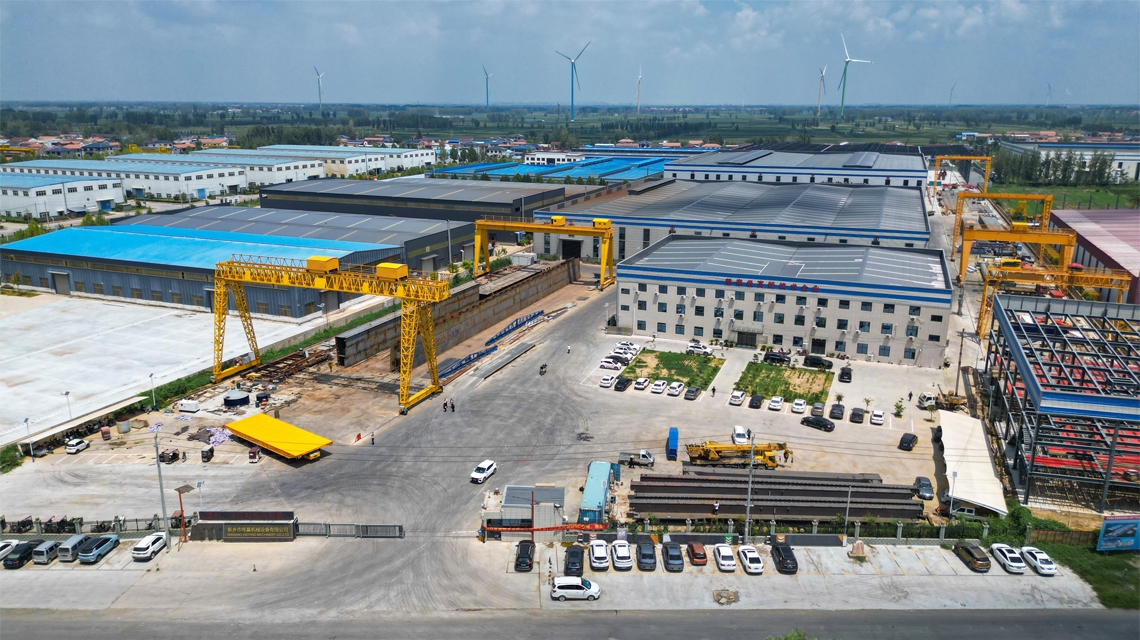
With 34 years of manufacturing experience and 12 years of export expertise, we have built a dual advantage of professional qualifications and a global presence. Our business covers more than 100 countries and regions across Asia, Europe, the Americas, Africa, and Oceania. We are certified under the ISO management system and hold CE product certifications. Our main product lines include six major series—electric hoists, electric winches, gantry cranes, bridge cranes, marine cranes, and portal cranes—comprising nearly 100 different models.
If you want to learn more, please contact us.
E-mail address: karida@weiyinglift.com
Website: www.wycrane.com