An overhead bridge crane is a critical piece of material-handling equipment widely used in modern industrial environments. Whether in steel manufacturing, mechanical assembly, warehousing, or logistics operations, bridge cranes provide high efficiency, stability, and safety for lifting and transporting heavy loads. With many configurations, capacities, and installation options available, understanding the structure, major components, operating principles, crane types, and safety requirements is essential for choosing the right equipment.
This article serves as a comprehensive guide to overhead cranes, offering a clear overview of crane types, uses, maintenance, safety training, and regulatory considerations.
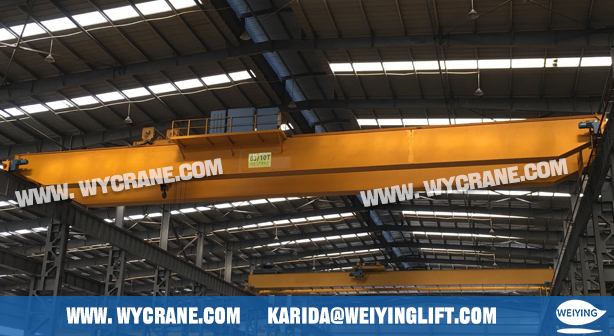
Overhead cranes—also known as bridge cranes or EOT cranes—are material-handling systems designed to lift, move, and position heavy loads within a fixed working area. Running on elevated runways installed along building columns or free-standing structures, the crane bridge travels along the runway while the hoist moves horizontally along the bridge. This three-axis motion (up/down, left/right, forward/backward) enables precise and efficient handling of large or bulky items.
Structurally, an overhead crane consists of the bridge girders, end trucks, hoist, trolley, runway system, controls, and safety devices. Together, these components allow the crane to perform stable, repetitive lifting operations with high accuracy, making it indispensable in manufacturing plants, steel mills, warehouses, equipment assembly lines, mechanical workshops, and logistics hubs.
Compared with forklifts and mobile cranes, an overhead crane provides several advantages:
Higher load capacity from 1 ton to over 500 tons
Better space utilization by using overhead airspace rather than floor area
More precise and stable handling especially for long or heavy items
Lower operational costs because it requires fewer workers and less maintenance
Higher safety performance due to fixed track movement and controlled lifting paths
Modern overhead cranes often incorporate advanced automation features such as variable frequency drives (VFD), anti-sway systems, digital load monitoring, real-time diagnostics, and radio remote controls. These technologies improve positioning accuracy, reduce reaction forces, and minimize swing—making the crane faster, safer, and more energy-efficient.
Industries rely on overhead cranes because they significantly increase handling efficiency, reduce labor intensity, shorten production cycles, and improve overall productivity. Whether used for steel processing, machining, maintenance, assembly, or container movement, overhead cranes form the core of modern industrial lifting operations.
Different industries and facilities require different lifting systems. Below are the most common types of overhead crane, with each category offering unique advantages depending on the working environment and lifting needs.
Single girder overhead cranes use one main beam to support the hoist. They are lightweight, cost-effective, and ideal for light-to-medium lifting applications. Because of their compact structure and low dead weight, they require smaller runways and reduce installation costs. Single girder cranes generally offer lifting capacities up to 20 tons and are common in warehouses, small fabrication shops, and general workshops.
Key advantages:
Lower investment cost (steel consumption is lower)
Faster installation and shorter delivery cycle
Lower wheel pressure and reduced building stress
Good choice for light production lines or small workshops
Limitations:
Lower lifting height due to bottom-running hoist
Not suitable for high-duty or heavy-load applications
Limited lifting speed and fewer advanced features
Double girder overhead cranes feature two parallel girders supporting the hoist trolley. They provide much stronger rigidity, larger lifting capacity, and longer spans. Double girder cranes can lift from 20 tons to 500+ tons—making them suitable for steel plants, mining, casting, paper mills, machinery assembly, shipyard workshops, and heavy production environments.
Advantages:
Higher load capacity & longer span
Better stability and durability
Greater lifting height (hoist sits between girders)
Ability to integrate advanced systems: walkways, cabs, load control, anti-sway
Suitable for high-duty cycles (A5, A6, A7)
Limitations:
Higher cost due to more steel
More complex installation
Requires stronger building structure
Which is better?
Choose single girder when: capacity ≤ 20 tons, moderate usage, limited budget
Choose double girder when: heavy loads, long spans, high duty cycles, demanding industrial applications
Top running cranes operate on rails mounted on top of runway beams. They provide the highest load capacity and longest span, making them suitable for heavy-duty lifting.
Benefits:
Highest load capacity (up to hundreds of tons)
Maximum hook height and space usage
Ideal for steel plants, foundries, and heavy manufacturing
Under running cranes (also called under-hung cranes) run on the bottom flange of runways.
Benefits:
Best for low-headroom buildings
Flexible installation
Lower cost
Ideal for light production lines, warehouses, and assembly workshops
Selection rule:
Choose top running for heavy-duty or long-span lifting
Choose under running for limited space or light-duty applications
European cranes use compact design, FEM standard hoists, VFD controls, and low noise features. They are lighter, faster, and more energy-efficient.
Advantages:
30% weight reduction
Higher lifting height
Energy savings up to 25%
Low noise, smooth performance
Longer lifespan
European cranes are ideal for modern workshops requiring precision and efficiency.
These cranes operate independently of building structure, suitable for leased facilities, open workshops, and production lines under renovation.
Benefits:
No dependence on the building
Easy to relocate or expand
Cost-effective for temporary or changing layouts
An overhead crane is an integrated system composed of mechanical assemblies, electrical components, and advanced control technologies. A clear understanding of these components helps users make better decisions regarding crane selection, maintenance, upgrades, and troubleshooting. Although configurations vary depending on crane capacity and operating environment, most bridge cranes share the same core structural layout.
The mechanical system includes the bridge girders, end trucks, runway beams, rail tracks, and the trolley/hoist unit. The bridge is the load-bearing backbone of the crane, designed to withstand bending forces and dynamic stress during lifting and traveling. For single girder cranes, the hoist usually runs under the beam; for double girder cranes, the trolley travels between the two girders, allowing higher lifting height and improved load distribution.
The hoist is the heart of the crane and includes a drum, wire rope or chain, hook, sheaves, and lifting motor. High-quality wire ropes, correct reeving, and precision-machined wheels directly impact safety and operating smoothness. The crane wheels and end trucks ensure stable travel along the runway, and their alignment, hardness, and lubrication determine long-term reliability.
The electrical system powers all crane motions, including hoisting, trolley travel, and bridge travel. It consists of motors, contactors, relays, overload protectors, cable reels, festoon systems, and power supply systems (busbars or cables).
In modern overhead cranes, variable frequency drives (VFDs) are widely used to ensure smooth acceleration, reduced load swing, lower energy consumption, and longer mechanical life. VFD-controlled motions also allow precise positioning, which is crucial in assembly lines, machining workshops, and material storage operations.
Crane control has evolved from traditional pendant controllers to wireless radio remote control and cabin-based control. Radio controls significantly enhance operator visibility, reduce fatigue, and improve safety—especially in hazardous environments such as foundries or steel mills.
Advanced control systems often integrate:
Load moment indicators
Anti-sway technology
Real-time condition monitoring
Smart diagnostics for predictive maintenance
Overload protection systems
Collision-prevention sensors
These innovations help prevent accidents, reduce operational downtime, and extend the crane’s lifespan.
Overhead cranes incorporate multiple layers of safety features to prevent failures and operational hazards. Typical devices include:
Upper/lower limit switches
Overload limiters
Emergency stop button
Rail sweeps and buffers
Anti-drop rope guides
Phase-failure protection
Heat sensors for motors and brakes
Anti-sway systems (for precision lifting)
Together, these mechanical, electrical, and automation technologies form a safe, efficient, and high-performance overhead lifting system.
Overhead cranes are essential material-handling equipment across almost every industrial sector. Their ability to move heavy loads along a fixed lifting path offers advantages in safety, efficiency, and workflow organization. Different industries rely on specific crane types, duty cycles, and custom configurations to meet demanding operational requirements.
In manufacturing plants, overhead cranes are used to transport raw materials, semi-finished components, and finished products throughout various stages of production. Assembly lines benefit from cranes with accurate positioning, variable speed control, and anti-sway functions, allowing workers to handle heavy parts with precision and reduced risk.
Steel mills and foundries rely heavily on double girder heavy-duty cranes designed for high temperatures, heavy loads, and continuous operation. Ladle cranes, charging cranes, and billet-handling cranes must withstand extreme conditions and incorporate advanced safety features such as redundant brakes and insulation protection.
For these environments, top-running cranes with high working class (A5–A7) are preferred.
Warehouses use overhead cranes to improve storage density and streamline material flow. Under-running cranes and European low-headroom cranes are especially popular in logistics centers where space optimization is crucial. The ability to move items horizontally and vertically without floor obstruction helps reduce forklift traffic, prevent collisions, and improve workflow safety.
Maintenance shops utilize overhead cranes for lifting engines, heavy tools, mechanical assemblies, and large components during repair tasks. Free-standing cranes are widely used because they do not depend on the building structure and can be easily relocated or expanded as workshop layouts change.
Power plants, hydroelectric facilities, wind turbine factories, and mining operations require reliable and heavy-duty overhead cranes for equipment installation, turbine assembly, generator maintenance, and structural lifting tasks. Precision and safety are critical because the loads are often oversized and high-value.
Selecting the right crane is a critical long-term investment that directly impacts your facility’s efficiency, safety, and productivity. A properly selected crane minimizes downtime, lowers maintenance costs, and ensures smooth material handling operations for years. When selecting an overhead crane, it is essential to evaluate not only the rated lifting capacity and span but also the building structure, working environment, duty cycle, and future expansion requirements. Neglecting these factors can result in unnecessary modifications, over-engineering, or performance limitations.
Start by defining the maximum load, average load, and frequency of use.
Duty cycle classifications such as A3 (light), A4 (medium), A5/A6 (heavy) help match crane capability to operational requirements. High-frequency lifting in large-scale manufacturing requires heavier-duty cranes with robust structural and mechanical components.
Key measurements include:
Available building height
Distance between columns
Required lifting height
Hook approach dimensions
These factors determine whether to choose a single girder or double girder crane, as well as top-running or under-running designs. Limited headroom usually favors European-standard or under-running cranes.
Choices include:
Pendant control
Radio remote control
Cabin-operated control
Radio remote control is increasingly popular due to improved safety, viewing angles, and operator flexibility.
A good lifting system should incorporate overload limiters, limit switches, anti-sway, and VFD control. Users should also consider possible plant expansion, workflow modifications, and potential need for more lifting height or capacity. Choosing modular European-standard cranes allows easier upgrades.
A qualified bridge crane manufacturer offers:
Certified products
Engineering and custom design
On-site installation
Technical support
Spare parts availability
Overhead crane safety is crucial for protecting personnel, equipment, and materials. Modern cranes include multiple safety layers—from mechanical components to automated systems—ensuring stable and predictable performance. Understanding these safety features helps maintain compliance with OSHA, CMAA, FEM, ISO, and ATEX regulations.
Overload protection prevents hoist, rope, and structural damage. Overload limiters, torque limiters, and electronic load monitoring systems automatically stop operation when the crane exceeds rated capacity.
Travel limit protection prevents collisions. Hook limit switches and end-truck travel limits ensure safe operation, while anti-collision systems using lasers or infrared sensors maintain spacing between cranes.
Electrical safety includes emergency stops, short-circuit protection, phase-loss monitoring, grounding continuity, and flameproof enclosures for hazardous environments.
Mechanical safety involves high-quality wire ropes, braking systems, buffers, and end stops. Automatic torque-compensating brakes prevent slippage during lifting, lowering, or power loss. Shock-absorbing buffers protect cranes and runways from impact energy.
Digital safety technology is increasingly common. Variable frequency drives (VFD), anti-sway systems, wireless controls, and smart monitoring improve operator accuracy and reduce errors. Monitoring runtime hours, load cycles, and motor temperature enables predictive maintenance and safer operation.
Workplace safety includes marked crane routes, warning lights, alarms, and safety manuals. Proper training ensures only qualified operators handle cranes, reducing accidents and enhancing productivity.
Regular maintenance and inspection are essential for safe, reliable, and long-lasting crane operation. International standards (OSHA, CMAA, FEM, ISO) mandate routine inspections, record-keeping, and operator training.
Daily inspections check critical parts such as wire ropes, hooks, brakes, control systems, and limit switches. Detecting abnormal noise, jerky motion, or wear early prevents larger safety hazards.
Frequent inspections (weekly or monthly) cover hoist motors, drums, gearboxes, end truck wheels, rail alignment, and lubrication. Proper lubrication reduces energy consumption, prevents overheating, and ensures smooth operation.
Annual inspections by certified professionals evaluate structural integrity, including welds, beam deflection, wheel wear, and anchoring systems. Electrical safety tests, proof load tests, and non-destructive testing (NDT) on hooks confirm compliance and predict component replacement schedules.
Preventive maintenance involves timely replacement of wear parts—wire ropes, brake pads, bearings, limit switches—according to manufacturer guidelines. High-frequency cranes require more frequent servicing.
Smart maintenance technologies like IoT sensors and predictive diagnostics allow proactive servicing before failures occur, improving uptime and lowering total cost of ownership. Operator training is also vital; skilled operators reduce mechanical stress and extend crane lifespan.
The cost of an overhead crane system depends on multiple factors beyond rated capacity. Understanding these factors allows accurate budgeting while ensuring long-term value.
Key cost factors:
Lifting capacity, span, and height: Larger cranes require heavier structures, stronger motors, and longer runways. Custom spans or heights increase design complexity.
Hoist type and duty cycle: Electric wire rope hoists cost more than chain hoists but offer higher durability. Heavy-duty cranes (A5–A6) require stronger motors, gearboxes, and controls.
Building structure reinforcement: Workshops may need stronger runways, freestanding supports, or foundation upgrades.
Optional features: VFD, anti-sway systems, wireless controls, overload limiters, and smart monitoring improve efficiency and safety but increase upfront cost.
Additional budget considerations include shipping, installation, commissioning, operator training, and maintenance. A higher-quality crane may have a higher initial cost but reduces breakdowns, maintenance, and long-term operating expenses.
Proper installation and commissioning ensures safe, efficient, and reliable crane operation from day one. The process requires precise engineering, professional assembly, and rigorous testing.
Site preparation includes inspecting runway beams, foundations, and supporting structures. Clear installation paths and pre-installed electrical connections are essential.
Mechanical assembly involves positioning runway beams, installing end trucks, and assembling bridge girders. Laser alignment ensures precise installation and prevents uneven load distribution or wheel wear. Hoist and trolley installation follows.
Electrical system installation covers main power supply, control panels, festoon or conductor bar systems, limit switches, and VFD calibration. Safety tests include emergency stops, grounding continuity, and phase sequencing.
Commissioning and load testing check all motions for smoothness and accuracy. Proof load tests at 110% of rated capacity verify structural stability.
Operator training covers standard operating procedures, safety protocols, inspection routines, and emergency response. Full documentation—including manuals, inspection reports, and maintenance schedules—is provided upon handover.
Selecting the right overhead bridge crane is more than choosing a lifting machine—it is a decision that affects your facility’s efficiency, long-term operating cost, and workplace safety. By understanding the main crane types, key components, working principles, and available safety features, you can evaluate which system truly meets your lifting needs and fits your building conditions.
When comparing different overhead crane types, consider not only load capacity and lifting height, but also duty cycle, future expansion, and compliance with local regulations. Proper installation, operator training, and ongoing maintenance are essential to ensure safe and reliable crane performance throughout its entire service life.
Whether you are purchasing a new crane, upgrading an existing system, or improving safety management, this guide provides the foundation you need to make informed, confident decisions. If you require more detailed specifications or customized lifting solutions, feel free to explore the related articles or consult with a professional crane manufacturer for further assistance.
An overhead bridge crane is a lifting system consisting of a bridge, hoist, trolley, and runways that allow the crane to move loads horizontally and vertically. The hoist lifts the load, the trolley moves along the bridge, and the entire bridge travels along the runway beams to cover a large working area. This makes it ideal for manufacturing, assembly, warehouse logistics, and heavy industrial applications.
A single girder crane uses one beam and is suitable for light to medium-duty applications with lower investment costs.
A double girder crane uses two beams and offers higher lifting capacity, greater stability, and more lifting height, making it ideal for heavy-duty or industrial applications.
A top running bridge crane provides higher capacity and maximum hook height because it runs on the top of runway beams.
An underhung bridge crane runs on the bottom of the beams and is perfect for facilities with limited building support or low headroom.
The choice depends on structural conditions and lifting needs.
With proper maintenance, an overhead crane can last 20–30 years or more. Lifespan depends on usage frequency, load conditions, environment, and maintenance practices. Heavy-duty cranes may require modernization or component upgrades after 10–15 years.
Most cranes require:
Daily inspections (operators check hooks, brakes, wire ropes, controls)
Monthly inspections (mechanical systems, structural integrity)
Annual inspections by certified technicians
High-duty cranes or harsh environment applications may require more frequent inspections. Regular maintenance helps extend equipment lifespan and prevents unexpected downtime.
Price varies depending on crane type, capacity, span, lifting height, duty cycle, and control system.
A basic single girder crane may cost a few thousand dollars, while a large double girder or gantry crane can range much higher. Additional factors such as installation, electrics, and safety devices contribute to total cost.
For accurate pricing, buyers should request a customized quotation from a bridge crane manufacturer.
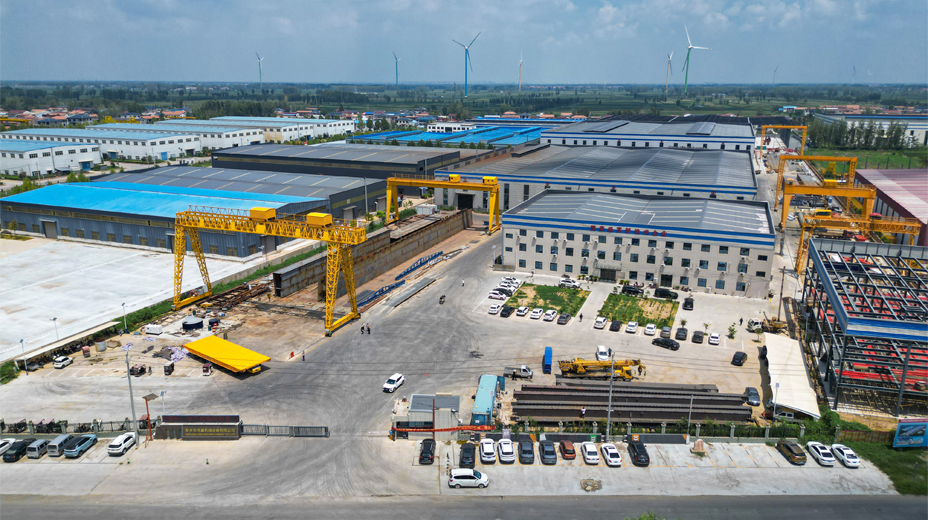
With 34 years of manufacturing experience and 12 years of export expertise, we have built a dual advantage of professional qualifications and a global presence. Our business covers more than 100 countries and regions across Asia, Europe, the Americas, Africa, and Oceania. We are certified under the ISO management system and hold CE product certifications. Our main product lines include six major series—electric hoists, electric winches, gantry cranes, bridge cranes, marine cranes, and portal cranes—comprising nearly 100 different models.
If you want to learn more, please contact us.
E-mail address: karida@weiyinglift.com
Website: www.wycrane.com