Discover high-performance container gantry cranes for ports, rail terminals, and logistics yards. Learn about RMG and RTG cranes, key components, working principles, technical advantages, applications, and how to choose the right container handling crane for your facility.
 |
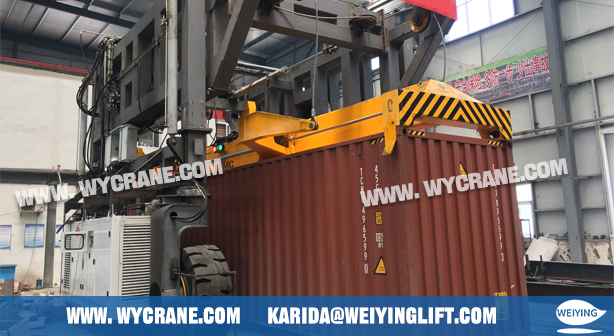 |
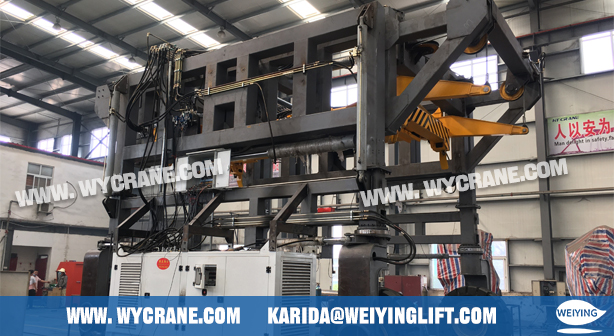
A container gantry crane, also known as a yard container gantry crane, is a specialized piece of lifting equipment widely used for container stacking, loading, and transportation in ports, rail yards, and logistics terminals. With the rapid growth of global containerized transport, container gantry cranes have become essential to achieve fast, accurate, and safe handling of ISO standard containers.
These cranes are designed to lift 20ft, 40ft, and 45ft containers and move them between container trucks, terminal tractors, rail wagons, and storage piles. Their high efficiency directly affects the overall performance of container terminals and determines the throughput capacity of ports.
Container gantry cranes generally fall into two major categories:
Rail-Mounted Gantry Crane (RMG):
Ideal for large-scale automated yards, RMG cranes travel on fixed rails, offer extremely high stability, and support long-span operations. They can serve multiple container rows and operate continuously with minimal energy waste.
Rubber-Tired Gantry Crane (RTG):
Designed for flexible mobility, RTG cranes use rubber wheels to travel freely across yard areas. They are suitable for terminals requiring versatile layouts, easy relocation, and lower initial investment. Modern RTGs can also be electrified for energy savings.
Both RMG and RTG cranes are essential in modern logistics as they significantly improve container turnover rates, reduce manual labor, and support terminal digitalization.
Container gantry cranes are engineered with advanced mechanical structure and intelligent control systems, ensuring reliable performance in complex port environments. Below are the major components that form the core of the crane:
The gantry is made of high-strength steel welded beams and rigid support legs. Its robust structure ensures stability during heavy lifting, even under strong wind or intensive operation cycles. The span width and lifting height can be customized to match container lane configurations.
The trolley moves horizontally along the bridge girder and carries the hoisting system, which includes wire rope drums, motors, brakes, and transmission mechanisms. It ensures smooth and precise movements during container lifting and lowering.
The spreader is equipped with automatic twist locks that engage with container corner castings. It adapts to different container sizes and features:
Automatic positioning
Load detection
Anti-sway control
Manual or remote mode switching
The crane’s main travel system supports long-distance container movement:
RMG: Steel wheels running on tracks, offering straight, stable, and fast operation.
RTG: Rubber tires with multi-directional steering functions, enabling flexible turning and yard maneuvering.
A modern container gantry crane integrates a full electrical control system including:
PLC intelligent control
Variable frequency drive (VFD)
Anti-sway systems
Laser measurement sensors
Wind-proof and deviation correction systems
Human-machine interface (HMI)
These features ensure accurate container positioning and safe operation.
Safety is the top priority in container terminals. Typical safety devices include:
Overload protection
Emergency stop switches
Anti-collision sensors
Wind speed monitoring
Fire detection systems
Gantry deviation correction
Limit switches for travel and hoisting
The crane operates by coordinating three main motions:
Hoisting:
The spreader lifts or lowers a container using the hoist mechanism.
Trolley Traveling:
The trolley moves horizontally along the girder to position the container accurately above trucks or stacks.
Gantry Traveling:
The entire crane moves along rails or wheels to complete long-distance transfer.
By combining these movements, the crane efficiently completes the full cycle of container pickup, transportation, and placement. With automation upgrades, real-time data integration ensures each movement is optimized for speed and safety.
Container gantry cranes offer multiple operational and economic advantages, making them indispensable for modern ports.
The crane’s multi-axis movement, along with advanced control systems, significantly boosts container loading and stacking speed. RMG cranes in automated yards can run continuously with minimal human intervention, achieving high container throughput.
The rigid steel structure ensures minimal vibration even under heavy load conditions. Safety systems such as anti-sway mechanisms, real-time load monitoring, and anti-collision sensors provide full protection during intense operations.
Modern gantry cranes incorporate variable frequency drives, energy feedback technology, and electric-powered systems, allowing operators to reduce fuel consumption and maintenance costs significantly.
With spans ranging up to 40–60 meters, container gantry cranes can cover multiple container lanes at once, offering higher space utilization. They also provide large lifting heights suitable for stacking containers up to 5–7 layers high.
Cranes can be customized by:
Lifting capacity (usually 35–65 tons)
Span and height
Wheel configuration
Automation level
Remote operation
Energy supply type
Advanced container gantry cranes support:
Automatic container identification
GPS positioning
Yard management system integration
Remote monitoring and operation
Unmanned driving
These features help terminals move toward digitalization and intelligent container handling.
Container gantry cranes serve as the core handling equipment in various transportation and logistics environments.
The most common application. RMG and RTG cranes work continuously to load and unload containers between vessels and storage yards.
These cranes allow seamless transfer between rail wagons and container storage areas, improving intermodal transportation efficiency.
RTG cranes are commonly used due to their mobility and flexible yard operation.
They enable fast container sorting, stacking, and relocation within logistics hubs.
Provide high security, traceability, and efficient handling for international freight.
The efficiency and reliability of container gantry cranes significantly influence the productivity and cost structure of ports.
Choosing the correct crane model can greatly improve terminal efficiency while reducing long-term costs.
Consider:
Maximum container weight
Throughput per hour/day
Stack height and container lane width
Future expansion plans
The crane should match:
Span size
Required travel distance
Obstacle clearance
Ground bearing capacity
Rail or road system
Choose RMG if you need high automation, stable long-distance travel, and large container yards.
Choose RTG if you need mobility, flexibility, and lower installation costs.
Diesel RTG
Hybrid power RTG
Full electric RTG
RMG rail power supply (energy-saving and low maintenance)
If your terminal is planning modernization:
Choose cranes with automation compatibility
Ensure system integration with TOS (Terminal Operating System)
Consider remote control for improved safety
A professional manufacturer should provide:
Technical design and engineering support
Quality control and material inspection
On-site installation and commissioning
After-sales service and spare parts supply
Training for operators and technicians
Choosing the right crane helps improve operational efficiency, reduce downtime, and support long-term business growth.
A container gantry crane plays a vital role in today’s global container logistics by ensuring fast, stable, and safe handling operations in ports, rail terminals, and logistics centers. With its advanced mechanical structure, intelligent control system, and customizable configuration options, it significantly improves container throughput and reduces operational costs for terminal operators. Whether using a flexible RTG crane or a high-precision RMG system, choosing the right equipment is essential for optimizing yard efficiency and supporting long-term business development. By understanding the crane’s components, working principles, and key selection factors, buyers can make informed decisions and build a more productive container handling system for their facility.
Most container gantry cranes have a lifting capacity ranging from 35 tons to 65 tons, depending on container size and terminal requirements. Some heavy-duty models can handle tandem lifting or oversized containers.
Yes. Most manufacturers offer customization for span width, lifting height, wheel configuration, automation level, power supply, and other technical specifications to match different terminal designs.
Yes. Modern cranes can integrate with remote operation systems, GPS positioning, container recognition systems, and terminal operating systems (TOS) to support automated yard handling.
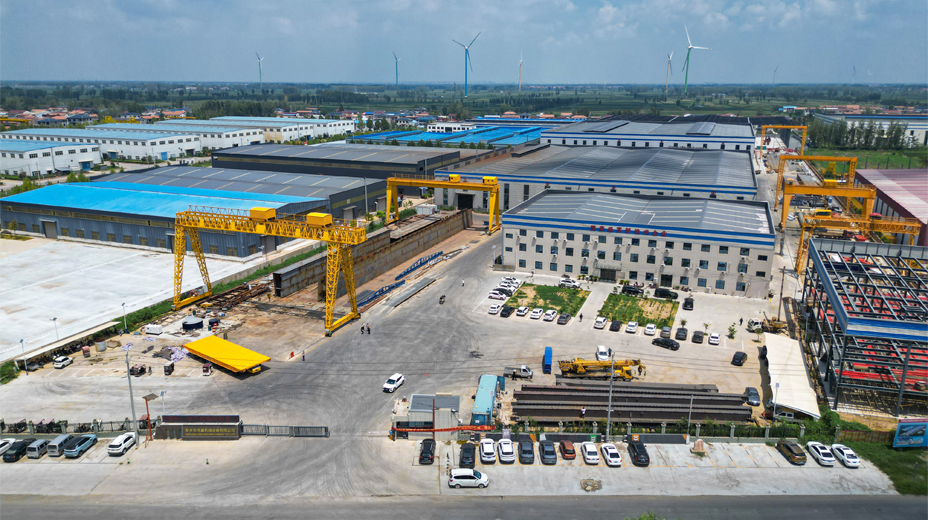
With 34 years of manufacturing experience and 12 years of export expertise, we have built a dual advantage of professional qualifications and a global presence. Our business covers more than 100 countries and regions across Asia, Europe, the Americas, Africa, and Oceania. We are certified under the ISO management system and hold CE product certifications. Our main product lines include six major series—electric hoists, electric winches, gantry cranes, bridge cranes, marine cranes, and portal cranes—comprising nearly 100 different models.
If you want to learn more, please contact us.
E-mail address: karida@weiyinglift.com
Website: www.wycrane.com