Ensuring the safe operation of an overhead bridge crane is one of the most important responsibilities in any industrial facility. Whether used in manufacturing plants, metal processing workshops, warehouses, or assembly lines, a bridge crane handles heavy loads every day, and improper use may create serious hazards. To help global buyers, engineers, and crane operators better understand overhead crane safety, this article provides a detailed explanation of common risks, preventive measures, correct hand signals, essential safety training, and pre-operation inspections.
This guide is suitable for factories planning to purchase bridge cranes, companies preparing operator training programs, and users seeking long-term safe lifting solutions.
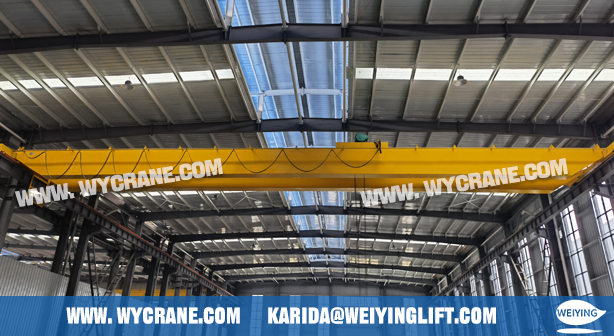
Operating a bridge crane involves electrical systems, moving mechanisms, and heavy suspended loads. The following are the most common risks found in workshops and industrial lifting environments.
Electrical systems pose significant risks during crane operation. Any loose wiring, damaged insulation, or improper grounding may lead to electric shocks, short circuits, or equipment malfunction. Moist environments and improper cable management further increase the danger.
Overloading is one of the primary causes of structural failures. When the crane exceeds its rated load, the bridge girder, hoist, wire rope, and hook may face excessive stress. Continuous overloading reduces equipment lifespan and may result in sudden catastrophic failure, causing major injuries and property loss.
Load dropping incidents often occur due to improper rigging, worn-out lifting accessories, incorrect sling angle, or sudden movements of the crane. A falling load can damage equipment, injure workers, or cause fatal accidents. Therefore, ensuring proper load attachment and using certified lifting tools is essential for bridge crane safety.
Bridge cranes travel across large areas. Without proper signaling or visibility, they may collide with workers, other machines, walls, or obstacles. Poor lighting conditions, blind spots, or operator inexperience further increase this risk.
Wear and tear on hoists, wire ropes, brakes, limit switches, and trolleys are inevitable. Lack of regular inspection may cause sudden failures, and even minor defects can escalate under heavy-duty operation.
Preventive measures ensure safe operation and help companies meet international safety standards. Proper planning and daily discipline significantly reduce the possibility of accidents.
Operators must always understand the exact weight of the load and compare it with the crane’s rated capacity. Never rely on estimation. If the weight is unknown, use a load cell, weight sensor, or documentation before lifting. This simple step provides essential protection against overloading accidents.
Each application requires the right type of lifting sling, such as wire-rope slings, chain slings, or synthetic slings. Slings must be free of damage, corrosion, or deformation. The sling angle should be correct to avoid excessive tension. Using damaged or inappropriate slings is one of the most common causes of falling loads.
Overhead crane hand signals are universal communication tools for crane operators and signalers. Clear hand signals help guide lifting operations when verbal communication is difficult due to noise or distance. Standard signals include:
Hoist up / down
Trolley travel left / right
Bridge travel forward / backward
Stop / emergency stop
Slow operation
Raise or lower the load slowly
Move diagonally (combined motions by experienced operators)
Using standardized hand signals prevents misunderstandings and significantly reduces collision and dropping risks.
All unnecessary personnel must stay outside the crane operating zone. Warning signs, ground markings, and audible alarms help secure the area. Operators should avoid lifting loads over people and reduce side pulling or sudden movements.
Preventive maintenance ensures stable crane performance. Key areas include checking wire rope wear, brake performance, limit switch accuracy, hook deformation, trolley movement smoothness, and electrical connections. Well-maintained equipment dramatically improves overhead crane safety.
A professional overhead crane safety training program is essential for all crane operators, signalers, and maintenance personnel. Training helps employees understand crane structure, operation procedures, emergency response, and correct communication methods.
Understanding crane components: hoist, trolley, runway beam, electrical system
Safe operating principles
Load weight calculation
Proper use of slings and rigging
Standard overhead crane hand signals
Start-up procedures and shutdown operations
Daily and periodic inspection requirements
Emergency stop and power isolation
Hazard identification and incident reporting
Case studies of real accidents
A well-trained operator can identify early signs of danger and react correctly in emergencies, reducing accident rates by up to 80% compared with untrained operation.
Before starting a lifting task, operators must follow a systematic inspection and preparation procedure. These pre-operation checks ensure that both equipment and working conditions meet safety standards.
Check the following items carefully:
Wire rope for wear, broken wires, twisting, or crushing
Hook for cracks, deformation, or damaged safety latch
Limit switches (hoisting and traveling) for proper functioning
Control panel and pendant switches for responsiveness
End carriages for smooth travel
Trolley wheels for alignment
Aviation plug connectors for secure connection and no overheating marks
Ensure the working area is clean, well-lit, and free of obstacles. Verify that no workers stand beneath the lifting path. High winds, extreme humidity, or unstable ground conditions should be evaluated before outdoor lifting.
The operator must confirm:
The weight and center of gravity of the load
Selection of appropriate slings
Correct sling angle and attachment points
Firm and stable load securing
Balanced lifting posture
Perform a no-load test:
Lift the hook slightly
Test trolley travel
Test bridge travel
Check brakes and emergency stop
This ensures the crane responds correctly before handling heavy loads.
Safe operation of an overhead bridge crane is the result of correct planning, appropriate operator training, standardized communication, and consistent inspection practices. Understanding major risks—such as electrical hazards, overloading, and falling loads—and implementing preventive measures is critical for maintaining a safe workshop environment. A strong bridge crane safety program not only protects personnel and equipment but also enhances production efficiency and reduces unplanned downtime.
Whether your company is purchasing cranes, upgrading existing equipment, or training operators, focusing on overhead crane safety ensures long-term reliability and compliance with international standards.
Indoor cranes can operate normally, but outdoor bridge cranes may be affected by strong winds, heavy rain, or freezing temperatures. In extreme weather, travel limits, windproof devices, and additional safety measures should be used.
Daily inspections should be performed before each shift. Periodic maintenance—usually monthly, quarterly, or yearly—should be conducted by qualified technicians according to manufacturer recommendations and local regulations.
Lifting over personnel creates unnecessary risks. Even well-maintained cranes may face unexpected mechanical failures. Keeping workers away from the lifting path is a critical safety requirement in all international standards.
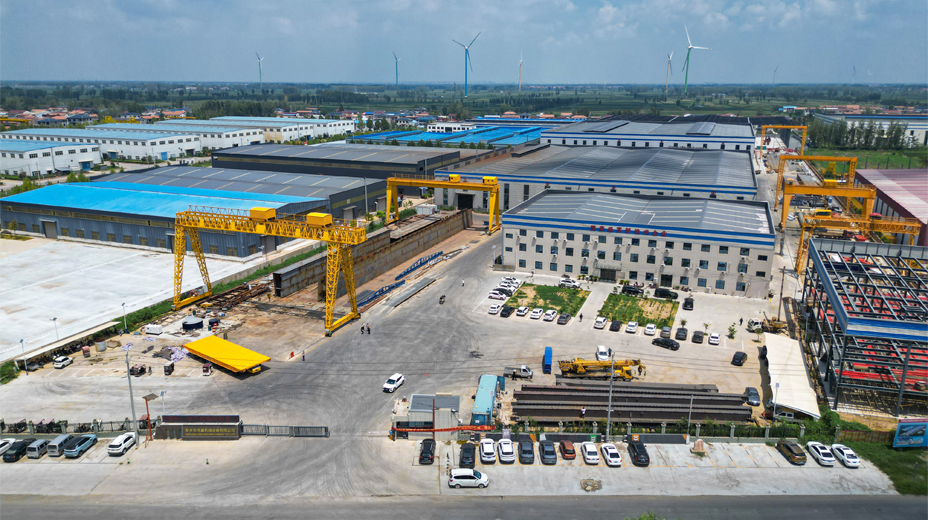
With 34 years of manufacturing experience and 12 years of export expertise, we have built a dual advantage of professional qualifications and a global presence. Our business covers more than 100 countries and regions across Asia, Europe, the Americas, Africa, and Oceania. We are certified under the ISO management system and hold CE product certifications. Our main product lines include six major series—electric hoists, electric winches, gantry cranes, bridge cranes, marine cranes, and portal cranes—comprising nearly 100 different models.
If you want to learn more, please contact us.
E-mail address: karida@weiyinglift.com
Website: www.wycrane.com