When choosing a gantry crane for your facility, lifting capacity is one of the most important specifications you must evaluate. It directly affects the crane’s performance, safety, cost, and long-term suitability for your operations. In this guide, we will explain what lifting capacity means, why it is central to crane selection, the key factors that determine it, and how you can calculate the capacity you actually need. We also highlight common safety mistakes to avoid and offer practical advice on how to choose the most suitable gantry crane for your application.
What Is the Lifting Capacity of a Gantry Crane?
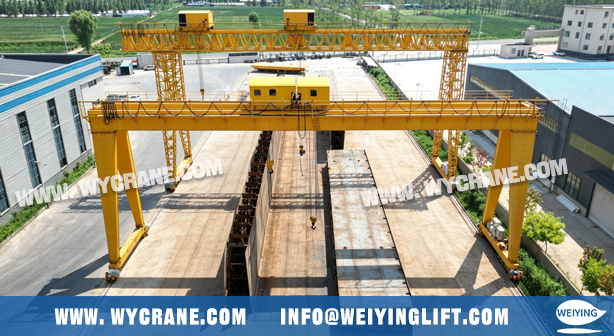
The lifting capacity of a gantry crane refers to the maximum load weight the crane can safely lift, move, and position under specific working conditions. This value is typically expressed in tons (e.g., 5 tons, 20 tons, 100 tons), and it is determined by the crane’s structural design, materials, hoist mechanism, and operational environment.
A gantry crane’s rated lifting capacity defines the upper safe limit of the crane. Exceeding this limit can cause:
-
Structural deformation
-
Mechanical failure
-
Load instability
-
Serious safety accidents
Different types of gantry cranes—such as single girder, double girder, portable gantry, or rail-mounted gantry cranes (RMG)—have different structure strengths and therefore different lifting capacity ranges.
Why Is Lifting Capacity the Core of Gantry Crane Selection?
Selecting a gantry crane begins with one essential question: How much weight will you lift? Lifting capacity is the core of crane selection for several reasons:
1. Safety Dependence:A crane that is undersized cannot handle the load safely. Overloading is a leading cause of crane failures and workplace accidents.
2. Efficiency & Productivity:Adequate lifting capacity ensures smooth daily operations. If a crane is constantly working near maximum load, it will experience faster wear and reduced productivity.
3. Cost Control:Larger capacity cranes cost more in initial investment, operation, and maintenance. Choosing the right capacity avoids unnecessary overspending.
4. Compliance Requirements:Industrial standards require cranes to meet strict capacity ratings. Proper capacity selection ensures compliance with safety regulations and inspection requirements.
Key Factors That Determine Gantry Crane Lifting Capacity
The lifting capacity of a gantry crane is influenced by multiple structural and operational factors. Understanding them helps you better judge the suitability of each crane type.
1. Crane Structure Design
The structural layout, such as single girder vs. double girder, directly affects the load-bearing capability.
-
-
-
Portable gantry cranes: designed for light to small-medium lifting (up to ~10 tons), featuring easy assembly, disassembly, and mobility for temporary or on-site use.
2. Materials & Steel Strength
Crane components built with higher-grade steel can withstand greater stress and resist deformation under heavy loads.
3. Hoist Mechanism
The lifting mechanism includes the hoist, motor, gearbox, wire rope, and drum.
-
Electric wire rope hoists generally support higher capacities.
-
Chain hoists are used for lighter loads, often paired with portable gantry cranes for flexibility.
4. Span and Working Radius
When calculating crane capacity, you also need to consider span and working radius.Longer spans or extended outreach reduce the overall capacity due to bending moments and structural stress. Portable gantry cranes typically have smaller spans, optimized for mobility rather than long-distance lifting.
5. Operating Environment
Outdoor conditions, wind loads, and temperature variations may require derating of lifting capacity or reinforced structure. Portable gantry cranes are often used in indoor workshops, construction sites, or temporary work areas where environmental impact is controlled.
6. Duty Cycle / Working Class
A crane designed for frequent, heavy-duty operation (e.g., A5–A7) naturally has a higher and more durable capacity than light-duty models. Portable gantry cranes are typically light-duty (A1–A3) for intermittent use.
How to Calculate the Lifting Capacity You Need
To determine the correct lifting capacity for your gantry crane, consider the following steps:
1. Identify the Maximum Load Weight
Assess the heaviest load you need to lift, including:
2. Add the Weight of Lifting Accessories
Many selection errors occur because users forget to add the weight of:
-
Hooks
-
Slings
-
Grabs
-
Magnets
-
Spreader bars
These tools can add hundreds of kilograms or even several tons to the load.
3. Apply a Safety Margin
To prevent overload, it is recommended to apply a 10%–25% safety margin based on working conditions.
Example:
If your heaviest load is 8 tons and your lifting tools weigh 1 ton → total is 9 tons.
With a 20% safety margin → recommended crane capacity ≈ 11 tons (rounded to 12 tons).
4. Consider Future Expansion
If you expect production to scale in the next 3–5 years, choosing a slightly higher capacity will save future replacement costs. For portable gantry cranes, consider if temporary lifting needs may increase, as they are easier to replace than fixed models.
Common Safety Mistakes Related to Lifting Capacity
Choosing the incorrect lifting capacity can lead to serious operational risks. Below are common mistakes to avoid:
1. Ignoring the Weight of Lifting Attachments:This is one of the biggest hidden risks. Always include the full weight of accessories in the total load.
2. Selecting a Crane Too Close to Actual Load Weight:Operating a crane at 90%–100% capacity regularly reduces its lifespan and increases accident risk. This is especially critical for portable gantry cranes, which have lower duty classes.
3. Overlooking Dynamic Loads:Loads that swing, shift, or are lifted rapidly generate additional dynamic forces that can exceed the rated capacity.
4. Not Considering Wind and Outdoor Factors:Wind pressure can add substantial load on outdoor gantry cranes, especially large-span models. Portable gantry cranes are less affected outdoors but should still be used in calm conditions.
5. Using a Lower-Class Crane for Heavy-Duty Work:Duty class A3/A4 cranes are not suitable for high-frequency lifting tasks. For heavy or continuous work, choose A5–A7. Portable gantry cranes (usually A1–A3) should not be used for frequent, heavy lifting.
How to Choose the Most Suitable Gantry Crane for Your Needs
Selecting the right gantry crane requires more than just determining the lifting capacity. Here is a practical selection process:
1. Define Your Lifting Requirements
-
Maximum load
-
Load type
-
Frequency of lifting
-
Required lifting height and span
-
Indoor or outdoor operation
-
Whether mobility or portability is needed
2. Choose the Right Crane Type
-
Single girder gantry crane → light/medium lifting, cost-effective
-
Double girder gantry crane → heavy lifting, long span
-
Portable gantry crane → light/small-medium lifting, temporary use, on-site mobility, easy assembly/disassembly
-
RMG/RTG cranes → container handling and logistics yards
3. Match Capacity With Duty Class
For example:
-
A1–A3 → portable gantry cranes, temporary or intermittent handling
-
A3–A4 → workshops, general handling
-
A5–A6 → manufacturing, steel plants, heavy-duty work
-
A7 → continuous, intensive lifting environments
4. Confirm Safety Features
Ensure the crane is equipped with:
-
Overload limiter
-
Emergency stop
-
Anti-sway system
-
Limit switches
-
High-quality wire rope
-
Reliable brake system
5. Evaluate Long-Term Cost
Consider:
A crane with the correct capacity reduces maintenance costs and extends service life.
Conclusion
The lifting capacity of a gantry crane is the foundation of safe and efficient material handling. By understanding its definition, influencing factors, calculation methods, and safety considerations, you can confidently choose the right crane that matches your operational requirements. Whether you are upgrading existing equipment, needing a temporary portable solution, or designing a new facility, selecting the correct lifting capacity will ensure long-term reliability, productivity, and cost-effectiveness.Crane capacity is only part of selecting the right overhead bridge crane.