A gantry crane is one of the most widely used lifting solutions in industrial manufacturing, logistics centers, shipyards, construction sites, and outdoor storage yards. With its strong lifting capacity, flexible configuration, and reliable structural design, a gantry crane supports efficient material handling and improves the productivity of various industries. Understanding the structure, components, electrical system, and working principles of a gantry crane is essential for buyers and project engineers who want to select the right equipment for their operations.
This article provides a comprehensive overview of gantry cranes, focusing on key components, safety systems, applications, and technical advantages to help users make informed purchasing decisions.
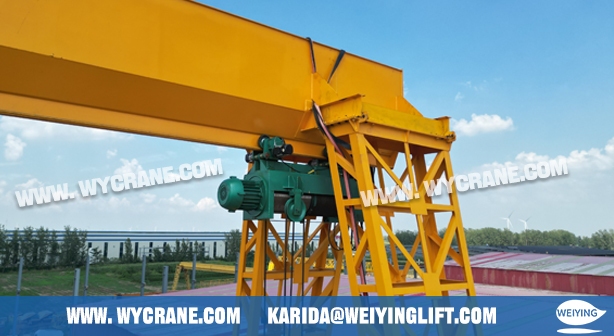 | 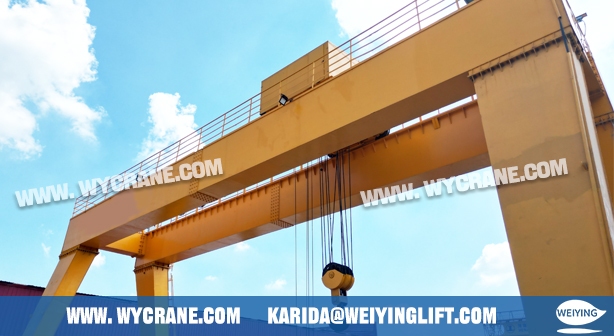 |
A gantry crane is composed of several major structural and mechanical parts that ensure stable lifting performance. High-quality gantry crane components directly affect the crane’s durability, efficiency, and maintenance cost.
The main girder carries the trolley and the lifted load. It is typically manufactured as:
Welded box girder (common for heavy-duty cranes)
European-style torsion-resistant girder with optimized weight
I-beam or H-beam girder for small portable gantry cranes
Double-beam structure for high-capacity industrial cranes
Bending strength and deflection control
Torsional resistance under trolley movement
Weld quality (ultrasonic testing for heavy cranes)
Corrosion protection for outdoor use
A deflection ratio of L/800–L/1000 is standard for industrial-grade gantry cranes.
End beams support the connection between the main girder(s) and the legs. They align the trolley path and maintain structural integrity.
Key design features:
Precision machining to ensure trolley alignment
Reinforced connections for repeated dynamic loads
Optimized weight distribution to reduce wheel load
Support legs carry the entire crane weight, including load, structure, trolley, and dynamic forces.
A-Type Legs: Most common; high rigidity and stability.
L-Type Legs: Provide wider operating clearance; used when handling long items.
U-Type Legs: Mostly for container cranes (RMG), allowing container trucks to pass underneath.
Strong axial compression capability
Resistance to wind loads (especially outdoor cranes)
Fatigue durability for long operating cycles
Stiffness and anti-sway performance
Gantry crane wheels are made of high-strength alloy steel—typically 42CrMo or ZG340/640.
Support the entire crane structure
Provide smooth rail travel
Ensure directional stability
Resist wear and fatigue
A standard traveling assembly includes:
Wheel shaft
Bearings
Traveling reducer
Geared motor
Rail clamp (for outdoor cranes)
Side-guide rollers may be added to prevent skewing.
The trolley travels along the girder and carries the lifting mechanism.
Hoist motor and reducer
Wire rope drum or chain mechanism
Brake system
Guide rollers
Hoist frame
Load hook or lifting attachment
Smooth variable-speed hoisting
Accurate load positioning
Controlled acceleration
High safety margin for industrial duty
A complete gantry crane includes multiple accessory systems:
Buffers
End stops
Storm brakes
Limit switches
Wind-proof rail clamps
Cable festoon system or energy chain
Overload limiter
Lighting systems (optional)
Maintenance platforms
These accessories ensure safe, stable, and continuous operation.
The electrical system is the core control center of a gantry crane. It ensures accurate movement, stable power distribution, and safe operation under various working conditions.
The main control cabinet houses:
PLC (optional)
Power circuit modules
Motor protection systems
Cross-travel and long-travel drives
Safety relays
Features include:
Real-time diagnostics
Overload protection
Emergency stop integration
Fault history display
The electric hoist for gantry crane is responsible for lifting and lowering loads. Depending on requirements, different types can be used:
High capacity
Smooth lifting
Ideal for heavy-duty applications
Compact design
Suitable for light-duty gantry cranes
Long service life
Precise speed control
20–30% lighter than traditional hoists
Used in oil & gas, chemical plants, or hazardous environments.
Advanced hoists integrate frequency inverter control, precise load monitoring, and anti-sway functions for smooth and safe lifting.
VFDs control motor speeds, ensuring smooth acceleration, precise positioning, and energy savings. They help reduce mechanical wear and improve safety.
Common options include cable reels, festoon systems, and energy chains, ensuring stable power supply during crane movements.
These include limit switches, overload sensors, anti-collision devices, and emergency stop systems. Modern cranes often integrate sensors for real-time monitoring and diagnostics.
Safety is crucial in crane operation. Gantry cranes include multiple layers of safety systems to prevent accidents and ensure reliable working conditions.
Detects load weight in real time and automatically stops lifting if the rated capacity is exceeded.
Allow operators to stop all crane actions immediately during emergencies.
Used in multi-crane operation or near obstacles, ensuring safe separation and preventing collisions.
For outdoor gantry cranes, wind locks, rail clamps, and anemometers ensure stability under strong winds.
Prevent the trolley or crane from moving beyond safe ranges.
Includes circuit breakers, temperature monitoring, and insulation checks.
Ensures smooth traveling and prevents the crane from running skewed on tracks.
A gantry crane operates through the coordination of three main motions:
The electric hoist lifts or lowers the load vertically. Smooth hoisting ensures accurate positioning and safety.
The trolley moves horizontally along the girder, transporting the load to the desired location inside the crane span.
The crane moves forward or backward along rails or rubber tires, enabling long-distance material handling.
These combined movements allow the crane to cover large working areas and handle heavy loads efficiently. Advanced control systems ensure precision, stability, and reduced sway during movement.
Below is a practical comparison of commonly used gantry crane configurations.
Lower cost
Lighter structure
Suitable for 1–20 tons
Easier installation
Higher capacity (10–500 tons)
Larger span and lifting height
Supports heavy-duty duty cycles
More stable for precise lifting
Engineering Recommendation:Choose double-girder for outdoor, heavy, or high-frequency operations.
High running stability
Used in port container terminals
Large span (18–40 m)
Electric power supply (eco-friendly)
High mobility
No rail installation required
Diesel or hybrid drive
Suitable for flexible yard layouts
Highest rigidity
Best for heavy loads
More clearance
Better for long or bulky items
Gantry cranes are widely used across many industries because of their flexible structure and strong lifting ability.
Manufacturing and Assembly Plants:Used for handling steel structures, heavy machinery, molds, and production materials.
Warehouses and Logistics Centers:Ideal for loading and unloading cargo, containers, and palletized goods.
Construction Sites:Used for concrete, steel beams, and prefabricated components.
Shipyards and Marine Engineering:Heavy-duty gantry cranes handle ship components, engines, and large steel plates.
Steel Mills and Foundries:Used to move coils, slabs, and hot metals with specialized hooks and spreaders.
Outdoor Storage Yards:Perfect for long materials like steel pipes, wind turbine components, and large fabrication parts.
Flexible Installation:Gantry cranes do not require building support and can be installed anywhere with adequate ground strength.
Large Working Range:Ideal for outdoor and large-scale operations, covering wide spans and high lifting heights.
Cost-Effective Design:Compared with overhead cranes, gantry cranes reduce investment in building structures and support foundations.
High Durability and Stability:Strong steel structures, robust wheels, and reliable components ensure long service life.
Easy Maintenance:Simple mechanical layout and accessible components reduce maintenance cost and downtime.
Customizable Configurations:Span, height, lifting capacity, hoist type, and travels can be tailored to specific project demands.
A gantry crane is an efficient and versatile lifting solution for manufacturing, logistics, construction, shipbuilding, and many other industries. By understanding its structural components, electrical system, safety configurations, and working principles, buyers can make better decisions when selecting equipment for their operations. Whether using a standard electric hoist, heavy-duty gantry wheels, or advanced automation systems, a high-quality gantry crane enhances productivity, improves safety, and ensures long-term performance. With the right configuration and reliable supplier support, a gantry crane can significantly elevate your material-handling capabilities.
Most gantry cranes use a wire rope electric hoist or chain electric hoist, depending on the lifting capacity and duty cycle. For higher lifting heights and heavier loads, a wire rope hoist is recommended due to its durability and smooth lifting performance.
Cost is influenced by loading capacity, span, lifting height, working duty class, control method, electrical system configuration, and additional safety functions. Customization requirements and installation conditions also play a role.
Yes. Industrial gantry cranes can be equipped with wind-proof locking, rail clamps, rain covers, anti-corrosion paint, and temperature-resistant electrical components, enabling stable operation in extreme cold, high heat, rain, and strong winds.
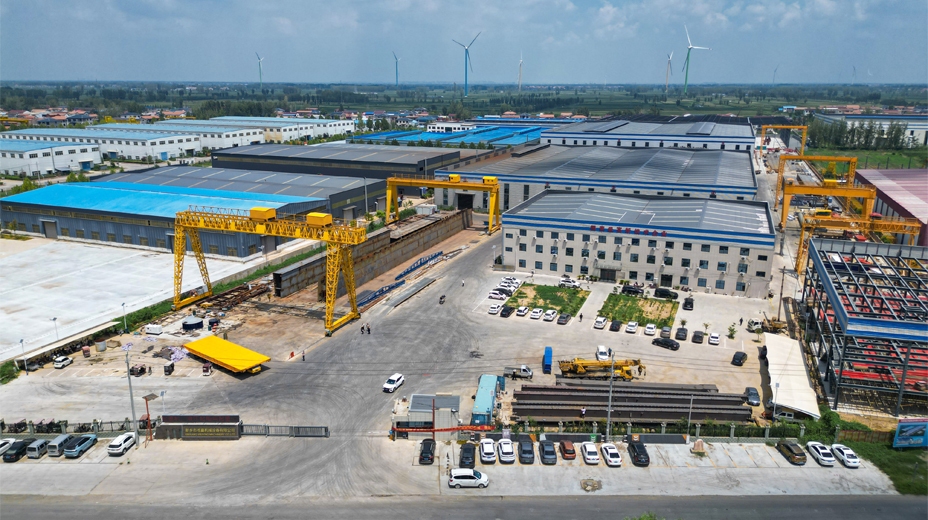
With 34 years of manufacturing experience and 12 years of export expertise, we have built a dual advantage of professional qualifications and a global presence. Our business covers more than 100 countries and regions across Asia, Europe, the Americas, Africa, and Oceania. We are certified under the ISO management system and hold CE product certifications. Our main product lines include six major series—electric hoists, electric winches, gantry cranes, bridge cranes, marine cranes, and portal cranes—comprising nearly 100 different models.
If you want to learn more, please contact us.
E-mail address: karida@weiyinglift.com
Website: www.wycrane.com