A gantry crane is a long-term investment for factories, warehouses, shipyards, construction sites, and outdoor material handling operations. One of the most common questions buyers ask before purchasing is:
How long does a gantry crane last?
The simple answer is that most well-designed gantry cranes can remain in service for 20–30 years or even longer. However, there is no fixed lifespan that applies to every crane. Two cranes manufactured on the same day may have dramatically different service lives depending on how they are used, maintained, and operated.
In reality, the lifespan of a gantry crane depends far more on duty cycle, operating environment, maintenance quality, and inspection frequency than on its age alone.
This guide explains the average service life of gantry cranes, the factors that determine longevity, and the best practices for extending crane life while maintaining safety and reliability.
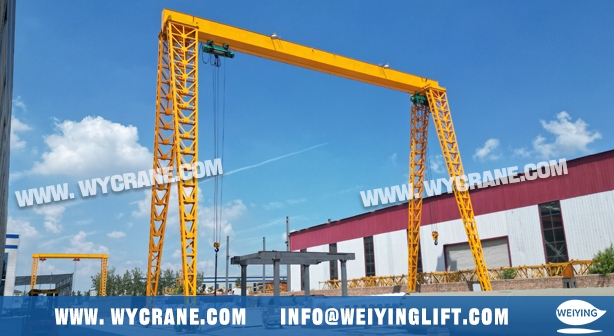
Generally speaking, a high-quality gantry crane has an expected service life of:
| Usage Intensity | Typical Service Life |
| Light-duty operation | 25–35 years |
| Medium-duty operation | 20–30 years |
| Heavy-duty industrial operation | 15–25 years |
| Extremely heavy continuous operation | 10–20 years |
These figures assume that the crane receives regular maintenance, inspections, and component replacements when necessary.
It’s important to understand that a gantry crane rarely reaches the end of its life because of simple aging. Instead, service life is usually limited by:
Therefore, a well-maintained crane may safely operate for decades, while a neglected crane may require major repairs after only a few years.
Rather than measuring lifespan purely in years, crane manufacturers often evaluate service life based on working duty classifications.
These classifications consider:
For example:
| Duty Class | Typical Application | Expected Service Life |
| A3 | Maintenance shops | Long |
| A4 | General workshops | Long |
| A5 | Manufacturing plants | Moderate |
| A6 | Steel mills | Shorter due to intensive use |
| A7–A8 | Ports, shipyards | Heavy wear |
A crane operating only two hours per day may still perform well after thirty years, whereas another operating around the clock could reach its fatigue life much sooner.
The quality of the original crane has perhaps the greatest influence on its long-term reliability.
High-quality manufacturers typically use:
Poor manufacturing quality may result in:
Although a lower-cost crane may appear attractive initially, inferior materials and manufacturing often lead to higher lifetime ownership costs.
Environmental conditions significantly affect gantry crane service life.
Typically provide the longest lifespan because equipment is protected from:
Outdoor cranes experience faster deterioration due to:
Salt-laden air accelerates corrosion on:
Facilities such as steel mills and foundries expose cranes to:
These harsh environments often reduce overall service life unless additional protective measures are implemented.
Usage patterns have a direct impact on fatigue life.
Factors include:
For example:
Light Use
The crane experiences relatively little fatigue.
Heavy Use
The structure, hoist, gearbox, and motors wear much more quickly.
Repeated overloads are especially harmful, as they accelerate structural fatigue and shorten the crane’s usable life.
Maintenance is often the single biggest controllable factor affecting crane longevity.
A preventive maintenance program helps detect problems before they become serious failures.
Typical maintenance tasks include:
Replacing inexpensive wear components early can prevent costly structural failures later.
Even the best-designed gantry crane can have a shortened lifespan if operated incorrectly.
Common operator mistakes include:
Well-trained operators help minimize unnecessary stress on both the structure and mechanical systems.
Many manufacturers find that properly trained operators significantly reduce repair costs over the crane’s lifetime.
Age alone is not the best indicator of retirement.
Instead, watch for signs such as:
When repair costs begin exceeding the value of the equipment, replacement often becomes the more economical solution.
Owners can significantly increase crane longevity by following these best practices:
Many cranes remain productive for over 30 years simply because these maintenance practices are consistently followed.
The answer depends on the crane’s overall condition.
Repair is often the better choice when:
Replacement becomes more practical when:
A professional structural assessment can help determine the most cost-effective option.
So, how long does a gantry crane last? While most gantry cranes are designed to provide 20–30 years of reliable service, their actual lifespan depends far more on design quality, operating environment, usage intensity, maintenance practices, and operator skill than on age alone.
Rather than focusing solely on the number of years in service, owners should evaluate the crane’s structural condition, duty cycle, inspection history, and maintenance records. With high-quality manufacturing, proper preventive maintenance, and trained operators, a gantry crane can continue delivering safe, efficient performance for decades, maximizing both productivity and return on investment.
Most gantry cranes have a service life of 20 to 30 years, while light-duty cranes with proper maintenance may remain in operation for more than 35 years.
Absolutely. Preventive maintenance helps reduce wear, identify problems early, and prevent small issues from developing into major failures. It can significantly extend the crane’s service life while improving safety and reducing downtime.
Not necessarily. A well-maintained older crane with a sound structure may continue operating safely for many years. Replacement is generally recommended only when structural fatigue, severe corrosion, obsolete systems, or excessive repair costs make continued operation uneconomical.
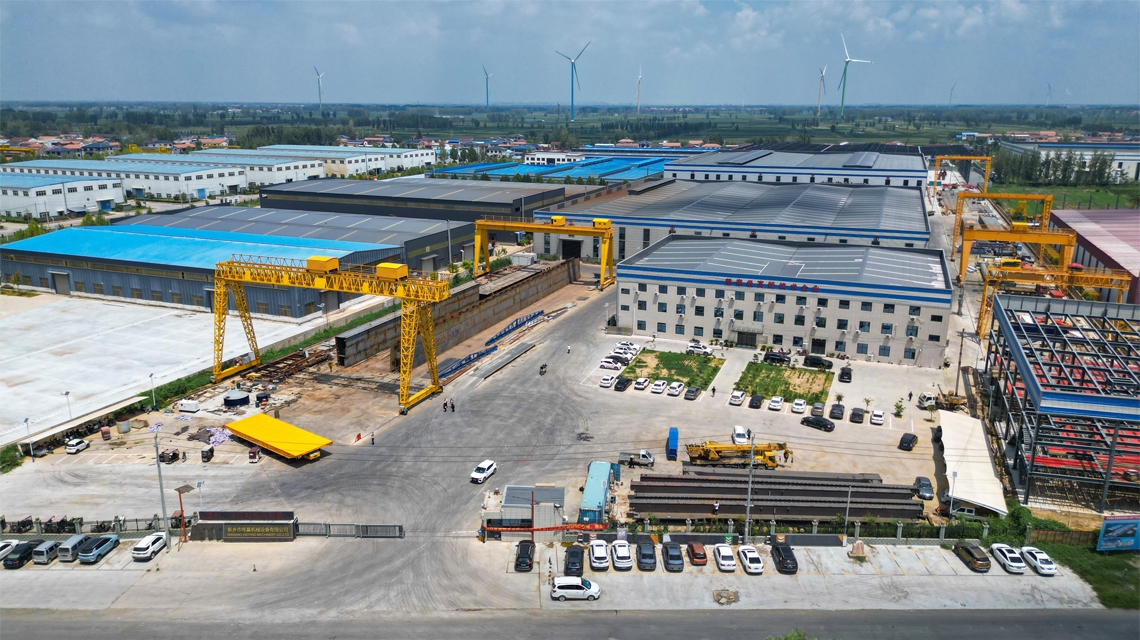
With 34 years of manufacturing experience and 12 years of export expertise, we have built a dual advantage of professional qualifications and a global presence. Our business covers more than 100 countries and regions across Asia, Europe, the Americas, Africa, and Oceania. We are certified under the ISO management system and hold CE product certifications. Our main product lines include six major series—electric hoists, electric winches, gantry cranes, bridge cranes, marine cranes, and portal cranes—comprising nearly 100 different models.
If you want to learn more, please contact us.
E-mail address: info@weiyinglift.com
Website: www.wycrane.com