Moving a gantry crane while carrying a suspended load is common in manufacturing plants, warehouses, construction sites, and maintenance workshops. However, many operators and buyers ask an important question:
Can you move a gantry crane while loaded?
The answer is yes—but only under controlled conditions. While many industrial gantry cranes are designed for loaded travel, improper operation can lead to load swing, crane instability, structural damage, or serious workplace accidents.
This guide explains when a gantry crane can be moved under load, the potential risks involved, essential safety rules, and best practices that help ensure safe and efficient operation.
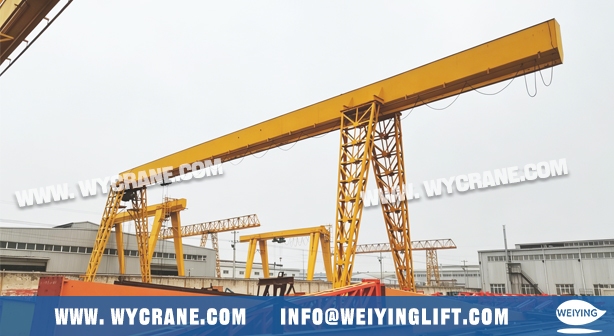
The answer depends on the crane’s design.
Many rail-mounted gantry cranes and industrial gantry cranes are specifically engineered to travel while lifting rated loads. Their structure, wheels, drive systems, and rails are designed to withstand the additional dynamic forces created during movement.
However, portable gantry cranes are different. Many portable models equipped with polyurethane casters or manual wheels are intended primarily for stationary lifting. Some manufacturers allow limited travel while loaded, while others recommend moving the crane only after lowering the load.
Before moving any gantry crane under load, always confirm:
If any of these conditions are not met, the crane should not be moved with a suspended load.
Even when permitted, moving a loaded gantry crane introduces additional dynamic forces that increase operational risks.
A suspended load naturally behaves like a pendulum. Sudden acceleration, braking, or turning can cause the load to swing significantly.
Excessive load swing may:
The higher the load is lifted, the greater the swing becomes.
As the crane moves, the center of gravity constantly changes.
The risk of tipping increases when:
Portable gantry cranes are generally more susceptible to instability than rail-mounted cranes.
Traveling under load creates dynamic loading that is often higher than the static weight of the load itself.
Repeated impact forces accelerate wear on:
Over time, this can shorten the crane’s service life.
Heavy loads concentrate pressure on both the wheels and supporting surface.
Potential problems include:
Proper floor conditions are essential for safe crane travel.
Large suspended loads often reduce the operator’s visibility.
Without proper communication or a designated spotter, collisions with personnel, equipment, or structures become much more likely.
Following basic safety rules significantly reduces operational risks.
The rated capacity includes the lifted material plus all lifting accessories such as slings, shackles, and lifting beams.
Overloading increases structural stress and significantly raises the risk of failure.
During travel, the load should remain only high enough to clear obstacles.
Keeping the load low:
Smooth, controlled movement is essential.
Avoid:
Slow travel reduces dynamic loading and keeps the load under control.
The hook should remain directly above the load’s center of gravity.
Unbalanced loads create side forces that increase wheel loading and crane stress.
Before moving:
A clean travel path is one of the simplest ways to improve crane safety.
Professional operators follow consistent procedures before every lift.
Inspect:
Early detection of defects prevents costly failures.
Raise the load slightly and stop.
Confirm:
Only begin traveling after the load remains stable.
Always lift vertically.
Dragging a suspended load sideways introduces dangerous side loading that can damage both the hoist and crane structure.
If the load begins to swing:
Never attempt to “counter-swing” the load with sudden crane movements.
For large loads or restricted visibility, assign a trained signal person.
Clear communication greatly reduces the likelihood of accidents.
There are situations where loaded travel should never be attempted.
Avoid moving the crane when:
Stopping the operation until conditions improve is always the safer choice.
| Feature | Portable Gantry Crane | Rail-Mounted Gantry Crane |
| Loaded Travel | Limited or manufacturer-dependent | Designed for loaded travel |
| Stability | Moderate | High |
| Typical Application | Workshops, maintenance | Factories, warehouses, ports |
| Travel Speed | Low | Higher |
| Safety Margin | Lower | Higher |
Understanding the type of gantry crane being used is essential before attempting to move it with a suspended load.
Many crane accidents result from avoidable mistakes, including:
Eliminating these habits greatly improves workplace safety.
So, can you move a gantry crane while loaded? Yes—but only if the crane is designed for loaded travel, the load is within the rated capacity, and proper safety procedures are followed.
Understanding the risks of load swing, instability, structural stress, and collisions is essential for safe operation. By following manufacturer guidelines, inspecting equipment regularly, and moving loads slowly and smoothly, operators can maximize both safety and equipment life.
Whether you use a portable gantry crane in a maintenance shop or a heavy-duty rail-mounted gantry crane in an industrial facility, safe operating practices should always take priority over speed.
Keep the load only high enough to clear obstacles, typically 200–500 mm (8–20 inches) above the floor whenever practical.
Some portable gantry cranes allow limited loaded travel, but others do not. Always check the crane’s operating manual before moving a suspended load.
Inspect the crane, hoist, hook, wheels, brakes, rigging, and travel path. Ensure the load is balanced, the route is clear, and the crane is operating within its rated capacity.
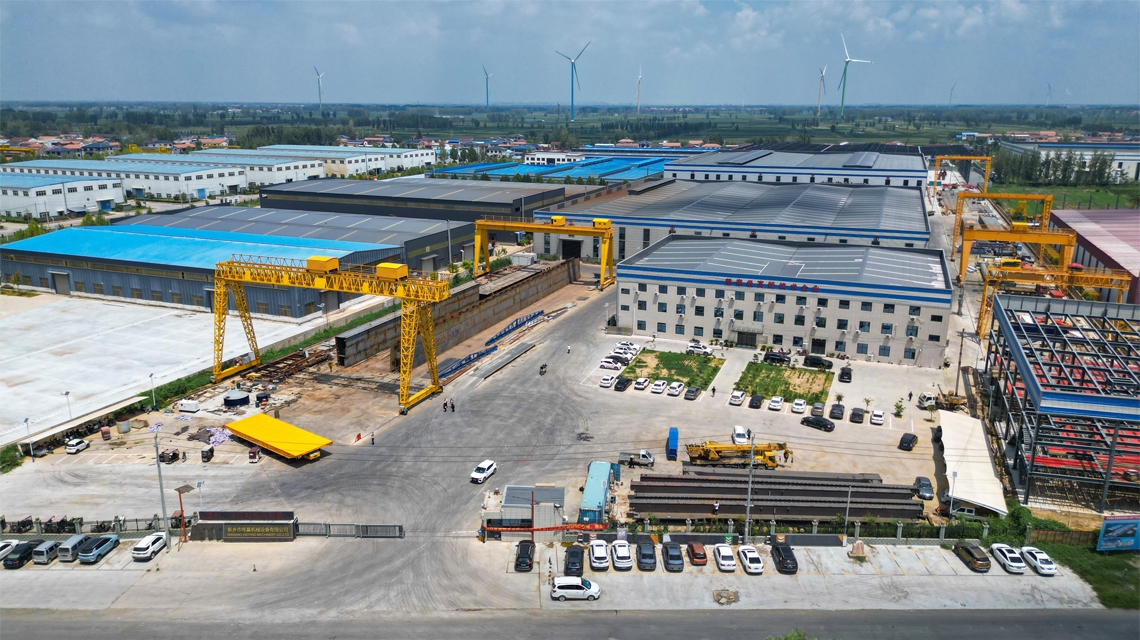
With 34 years of manufacturing experience and 12 years of export expertise, we have built a dual advantage of professional qualifications and a global presence. Our business covers more than 100 countries and regions across Asia, Europe, the Americas, Africa, and Oceania. We are certified under the ISO management system and hold CE product certifications. Our main product lines include six major series—electric hoists, electric winches, gantry cranes, bridge cranes, marine cranes, and portal cranes—comprising nearly 100 different models.
If you want to learn more, please contact us.
E-mail address: info@weiyinglift.com
Website: www.wycrane.com