Choosing the right gantry crane begins with understanding how much it costs, and the most practical way for global buyers to start is by comparing prices based on tonnage. Tonnage directly represents lifting capacity and reflects the crane’s structure, hoisting system, working duty, and overall performance level.
Therefore, searching for gantry crane price by ton—such as 5 ton, 10 ton, 20 ton, 50 ton, or even 100 ton—has become the most efficient way for buyers to estimate budget, shortlist feasible models, and match cranes to their specific working environments.
This article provides a clear, tonnage-based price table, explains factors that influence cost, and offers practical configuration recommendations to help you quickly determine the right crane for your project.
Most overseas buyers prefer to start with tonnage-based pricing because it quickly answers three essential questions:
Tonnage determines the basic structural strength, motor power, and hoisting unit, making it the fastest way to evaluate cost and suitability.
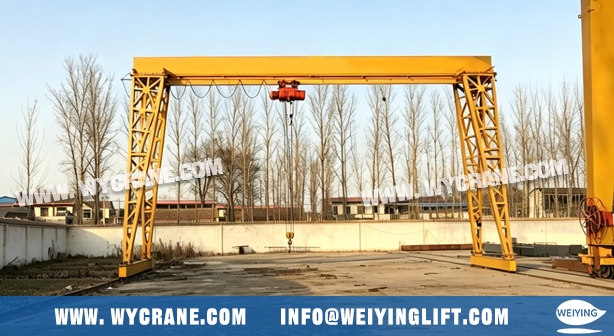 | 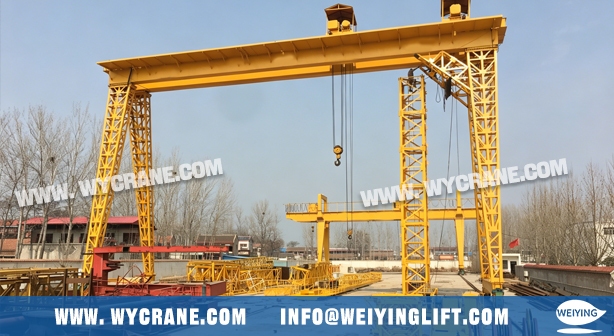 | 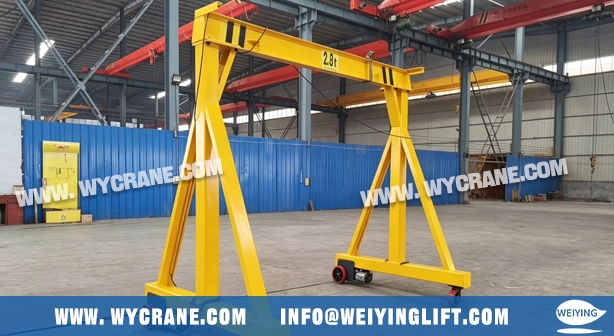 |
| Tonnage | Reference Price (USD) | Typical Application Scenarios | Recommended Models |
| 1–5 Ton | $1,200 – $17,500 | Light workshops, small fabrication shops, maintenance, warehouse handling | Portable Gantry Crane /Single Girder Gantry Crane |
| 10 Ton | $16,500 – $36,000 | Machinery plants, steel warehouses, outdoor yards | Single or Double Girder Gantry Crane |
| 16 Ton | $25,000 – $36,000 | Medium manufacturing plants, heavy parts assembly | Single Girder Gantry Crane |
| 20 Ton | $35,000 – $57,000 | Large material yards, shipbuilding support, steel loading | Single or Double Girder Gantry Crane |
| 32 Ton | $63,000 – $93,000 | Heavy industries, steel coil handling, casting applications | Double Girder Gantry Crane |
| 50 Ton | $113,000 – $172,000 | Large-scale construction, mining, shipyard heavy lifting | Double Girder Gantry Crane |
Gantry crane cost is mainly driven by steel structure, hoisting mechanism, and electrical configuration.
Below is a simplified breakdown by small, medium, and large tonnage.
For the same tonnage, price varies due to:
These factors can create a 10%–40% price difference under the same tonnage.
To help buyers quickly understand what configuration makes sense, here are typical recommendations:
Buyers can finalize the right crane model faster by preparing the following key project details for accurate evaluation and quotation:
Providing these details helps suppliers give an accurate quotation in 1–2 hours.
Gantry crane pricing varies widely, but tonnage remains the most reliable starting point for understanding cost differences. Smaller cranes such as 1–5 tons are more affordable and suitable for light-duty applications, while medium-tonnage cranes like 10–20 tons serve manufacturing and processing industries. Heavy-duty cranes ranging from 32–100 tons involve major structural reinforcement, advanced hoisting systems, and outdoor-grade design, resulting in higher prices but significantly greater lifting capability.
Within the same tonnage, prices differ mainly due to span, lifting height, working duty, configuration level, and optional safety systems. By evaluating these factors and understanding the configuration differences, buyers can more accurately determine the best crane within their budget.
If you need tailored recommendations, accurate quotations, or professional selection guidance based on your site layout and working conditions, feel free to contact us—we can help you match the optimal gantry crane configuration and provide a competitive price based on your exact requirements.
Price differences occur due to variations in span, lifting height, working duty, configuration level, electrical systems, materials, and indoor/outdoor design requirements.
Yes. Outdoor gantry cranes require wind-resistant structures, corrosion protection, reinforced wheels, and weatherproof electrical systems, which increase manufacturing cost.
Consider lifting capacity, span, lifting height, working duty, site layout, power supply, operating frequency, and environmental conditions. A professional supplier can provide a tailored selection plan.
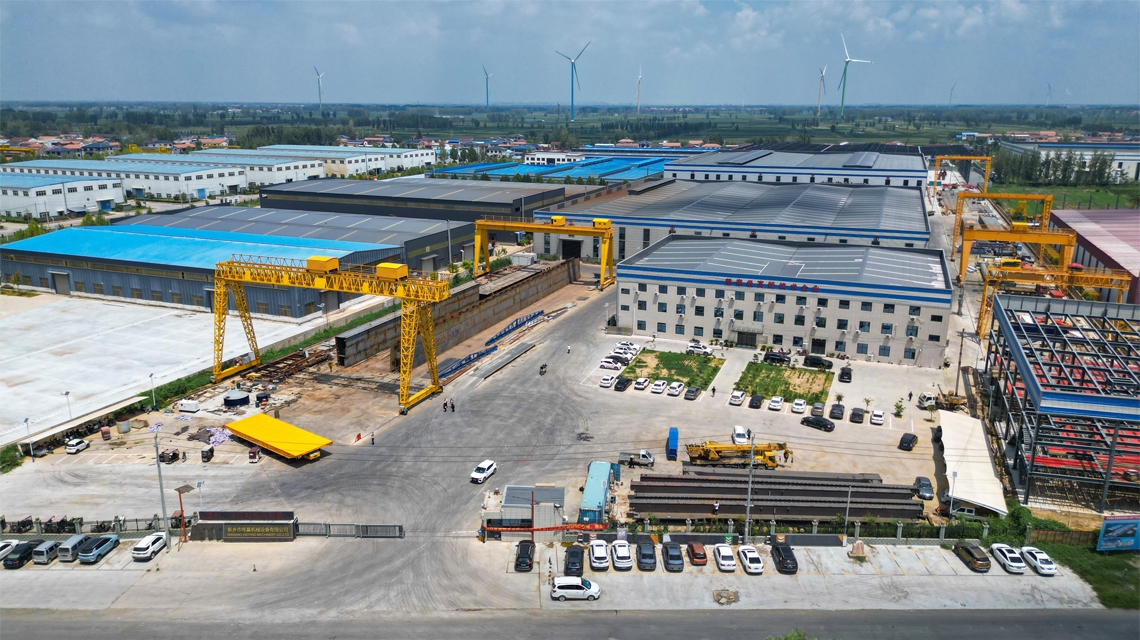
With 34 years of manufacturing experience and 12 years of export expertise, we have built a dual advantage of professional qualifications and a global presence. Our business covers more than 100 countries and regions across Asia, Europe, the Americas, Africa, and Oceania. We are certified under the ISO management system and hold CE product certifications. Our main product lines include six major series—electric hoists, electric winches, gantry cranes, bridge cranes, marine cranes, and portal cranes—comprising nearly 100 different models.
If you want to learn more, please contact us.
E-mail address: info@weiyinglift.com
Website: www.wycrane.com