Workstation Bridge Crane: The Complete Guide for Buyers
Date:2026-02-25 View:347
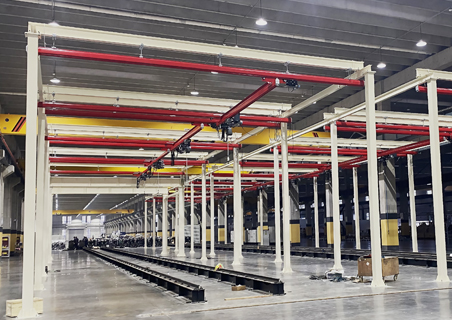
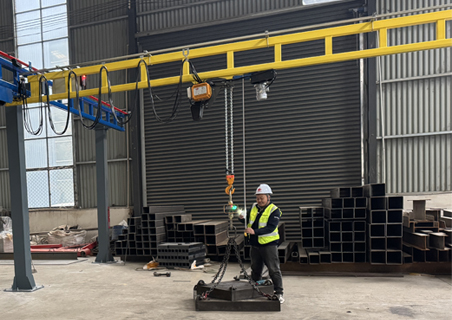
Discover what a workstation bridge crane is, its key components, advantages, applications, and how to choose the right system for your facility. A complete buyer’s guide for modern material handling. What Is a Workstation Bridge Crane? A workstation bridge crane is a modular, lightweight, and ergonomically designed lifting system engineered specifically for high-frequency, precision, and repetitive material handling in modern industrial environments. Compared with conventional overhead cranes—often heavier, more complex, and designed for large-scale lifting—workstation bridge cranes focus on efficiency, human-centered design, and workflow optimization. In essence, this crane system bridges the gap between manual handling and heavy-duty lifting equipment. It allows operators to move loads quickly, safely, and with minimal physical effort, making it a critical tool in lean manufacturing, assembly lines, packaging plants, and advanced machining workshops. The development of workstation cranes reflects a major shift in industrial production—from traditional brute-force lifting toward ergonomic automation, where reducing operator fatigue and improving process consistency are just as important as lifting capacity. Core Components of a Workstation Bridge Crane 1. Support Structure (Freestanding or Ceiling-Mounted) The support structure defines the crane’s layout flexibility. Freestanding systems allow installation without depending on building steel, perfect for older facilities, rented spaces,...