An electric hoist is one of the most widely used lifting devices in modern manufacturing, warehouses, construction sites and maintenance workshops. It works with overhead cranes, gantry cranes, jib cranes or fixed mounting solutions to lift and move heavy loads efficiently.
However, many buyers only compare prices or pick a random tonnage without evaluating their actual working conditions. A mismatched electric hoist can lead to dangerous overload incidents, frequent breakdowns, shortened service life and costly production stops. The ideal electric hoist is not always the most expensive model. It is the one that fits your load, cycle, working environment and safety requirements perfectly.
This guide walks you through every critical factor to help you select the right electric hoist confidently for your application.
Before checking product specifications, you need to lock down your core lifting parameters. These figures determine the foundation of your hoist selection.
Rated load capacity is the maximum weight the hoist is designed to lift safely. When calculating the working load, remember to include the weight of slings, spreader beams and other fixtures, not just the workpiece itself.
Always reserve a reasonable safety margin. Running the hoist constantly at full rated load will accelerate wear on the motor, brake and gearbox. For heavy-duty continuous use, avoid selecting a hoist that runs near its maximum load limit every day.
Lifting height refers to the vertical distance from the lowest hook position to the highest hook position. You must leave extra reserve length for wire rope or chain, plus space for upper and lower limit protection. Many buyers overlook this detail and find the hoist cannot reach the target height after installation.
You have two mainstream options: single speed and double speed.
Duty class (FEM or ISO classification) describes how often the hoist starts and how many hours it runs per day. This is one of the most misunderstood parameters.
If you use a light-duty hoist for heavy continuous cycles, overheating and motor failure will happen quickly.
Two main types dominate the market: wire rope electric hoists and electric chain hoists. Specialized variants are available for harsh conditions.
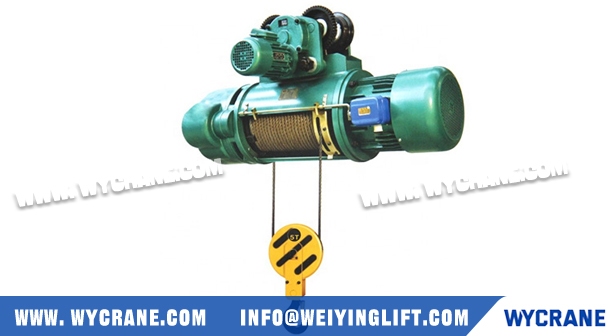
Wire rope electric hoists are built for heavier loads and longer lifting heights. They are commonly paired with overhead cranes and gantry cranes in large factories, steel yards and cargo yards. Advantages: High load capacity, stable lifting performance, long service life for heavy applications. Best for: Heavy bulk material lifting, long-span crane systems, high lifting height requirements.
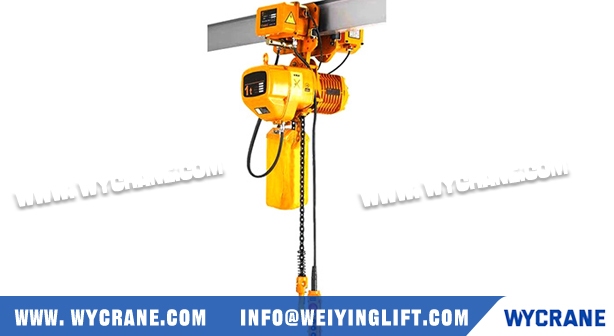
Electric chain hoists feature a compact structure and light weight. They take up minimal headroom and are easy to install and relocate. Advantages: Small footprint, affordable, precise positioning, flexible installation. Best for: Jib cranes, small workstations, low headroom spaces, frequent light-to-medium lifting.
Most industrial hoists use three-phase 380V power, which delivers stable power for heavy lifting. Small maintenance hoists may support single-phase 220V power, perfect for small workshops or sites without three-phase power. Confirm your local voltage and frequency before ordering.
Indoor dry environments are the standard condition for general hoists. If your site is outdoors, dusty, high-temperature, humid or corrosive, you need a higher IP protection rating. Harsh environments require sealed motors, anti-corrosion coatings and dustproof housings to extend service life.
Safety is non-negotiable for lifting equipment. A qualified electric hoist should include these core safety components:
For control options, you can choose a wired pendant push button or wireless remote control. Remote control keeps operators away from the load area and improves operational safety.
Do not judge the value only by the upfront price. Calculate the total cost including installation, regular maintenance, spare parts and after-sales service. A cheap hoist with short service life and no local support often costs more in the long run.
Check whether the supplier can provide accessible spare parts and technical support. Easy maintenance reduces downtime when components wear out.
For export markets, confirm the hoist holds required certifications such as CE and ISO, which meet regional safety standards and pass local inspection.
Picking the right electric hoist is far more than just picking a tonnage. Every detail — your actual load weight, lifting height, duty cycle, working environment and safety requirements — directly affects operational safety, production efficiency and long-term service life. Wire rope hoists shine for heavy loads and high lifting heights, while electric chain hoists work better for compact workstations and precise positioning. Always leave enough safety margin, match the hoist duty class to your real usage frequency, and never overlook protective features such as overload limiters and emergency stops.
If you are unsure which model fits your workshop, gantry crane, jib crane or overhead crane system, send us your working conditions and parameters. Our professional team will help you select a reliable electric hoist that matches your application perfectly.
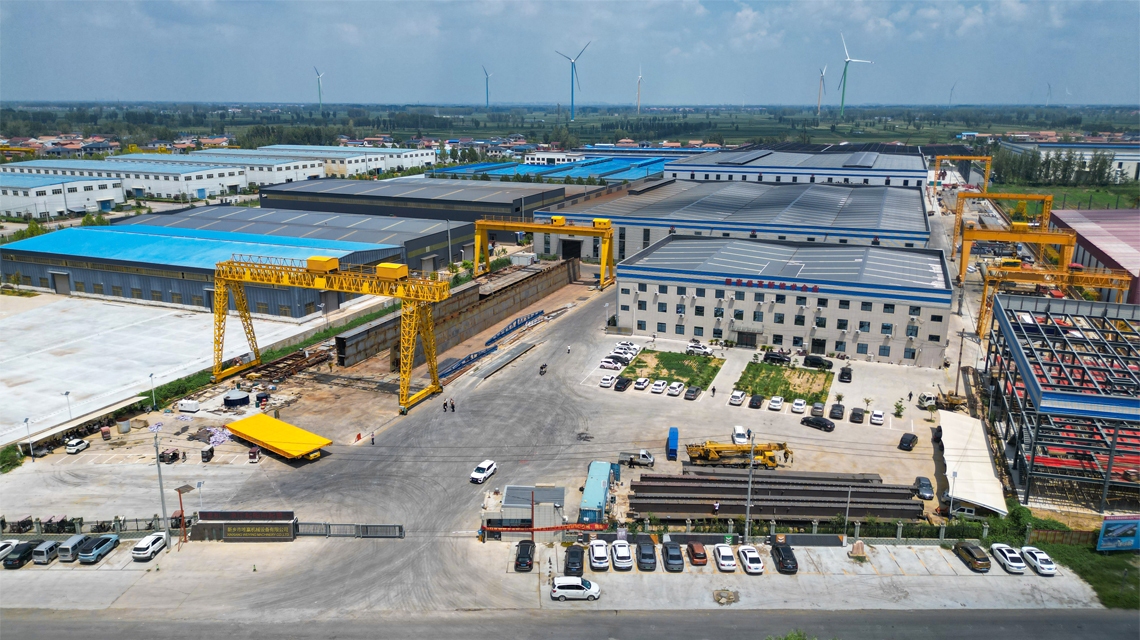
With 34 years of manufacturing experience and 12 years of export expertise, we have built a dual advantage of professional qualifications and a global presence. Our business covers more than 100 countries and regions across Asia, Europe, the Americas, Africa, and Oceania. We are certified under the ISO management system and hold CE product certifications. Our main product lines include six major series—electric hoists, electric winches, gantry cranes, bridge cranes, marine cranes, and portal cranes—comprising nearly 100 different models.
If you want to learn more, please contact us.
E-mail address: info@weiyinglift.com
Website: www.wycrane.com