Choosing the right electric hoist trolley for an I beam is essential for ensuring safe lifting, smooth horizontal movement, and reliable equipment performance. However, selecting a trolley involves more than matching its rated capacity to the electric hoist. The beam dimensions, wheel adjustment range, mounting configuration, duty rating, and available installation space must also be considered.
An incompatible trolley may not fit the beam correctly, while an unsuitable hoist and trolley combination can lead to installation difficulties, excessive mechanical wear, and operational problems.
This guide explains the three main types of I beam hoist trolleys and provides practical advice on checking compatibility, selecting specifications, and installing the complete lifting system.
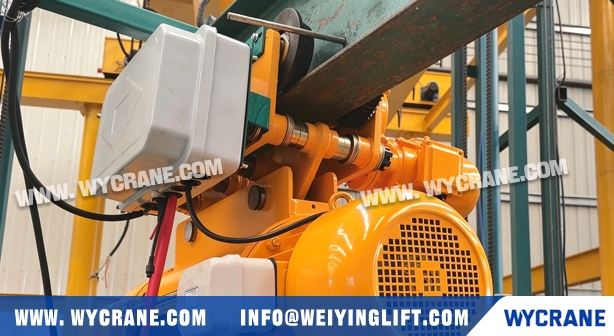
An electric hoist trolley is a device that supports an electric hoist and allows it to travel horizontally along the lower flange of an I-beam or H-beam.
The electric hoist performs the vertical lifting operation, while the trolley moves the suspended load along the beam. Together, they form a lifting and traveling system commonly used in workshops, warehouses, factories, and maintenance facilities.
A typical system consists of:
The trolley must be compatible with both the selected hoist and the supporting beam to ensure proper installation and operation.
There are three common types of I-beam hoist trolleys: plain push trolleys, geared hand chain trolleys, and motorized electric trolleys. Their main difference is the way they move horizontally.
A plain push trolley moves along the beam through direct manual force. The operator pushes or pulls the suspended hoist assembly to position the load.
Its simple mechanical structure requires no additional power supply for horizontal movement. It is generally suitable for light-duty applications, short travel distances, and occasional material handling.
A geared trolley uses a hand chain and gear transmission mechanism to control horizontal movement.
Compared with a plain push trolley, it provides more controlled positioning and reduces the need to push the suspended load directly. It is commonly used in maintenance areas, workshops, and applications where precise manual positioning is required.
A motorized electric trolley uses an electric motor and transmission system to move the hoist along the beam.
It is suitable for applications requiring frequent horizontal movement, longer travel distances, or reduced manual effort. It can be combined with an electric chain hoist or wire rope hoist to form an integrated lifting and traveling system.
| Feature | Plain Push Trolley | Geared Hand Chain Trolley | Motorized Electric Trolley |
|---|---|---|---|
| Movement | Manual pushing | Hand chain | Electric motor |
| Power supply | Not required | Not required | Required |
| Positioning | Basic | More controlled | Convenient and controllable |
| Operating effort | Manual | Manual | Low manual effort |
| Typical application | Small workshops | Maintenance areas | Production lines and warehouses |
| Initial cost | Low | Moderate | Higher |
The right choice depends on the load, travel distance, operating frequency, and positioning requirements.
Before purchasing an electric hoist trolley, check three essential aspects: load capacity, beam dimensions, and hoist configuration. These factors determine whether the complete system can be installed and operate properly.
The trolley’s rated capacity must be equal to or greater than the rated capacity of the electric hoist.
For example, a 3-ton electric hoist requires a trolley rated for at least 3 tons if the hoist is intended to operate at its full rated capacity.
However, rated capacity is only part of the selection process. The supporting beam and its connections must also be checked for the loads imposed by the complete system, including the lifted material, hoist, trolley, and lifting accessories.
Duty rating is another important consideration. Equipment used occasionally for maintenance has different operating requirements from equipment working repeatedly on a production line.
When selecting a trolley and hoist, consider:
The lifting and traveling mechanisms should each be suitable for their intended duty requirements.
The trolley wheels run along the lower flange of the I-beam, so the beam’s cross-sectional dimensions must match the trolley design.
The most important measurements include:
| Beam Dimension | Description | Selection Purpose |
|---|---|---|
| Flange Width | Width of the lower flange | Determines trolley wheel spacing |
| Flange Thickness | Thickness of the lower flange | Checks wheel and frame clearance |
| Beam Height | Overall beam height | Helps confirm installation clearance |
| Flange Shape | Flat or tapered flange geometry | Determines wheel compatibility |
| Web Thickness | Thickness of the vertical web | Supports structural assessment |
Do not assume that all I-beams with the same nominal size have identical dimensions. Different beam profiles and manufacturing standards may have different flange dimensions and geometries.
Also inspect the beam’s straightness, running surface, and available travel length before installation.
Even when the trolley fits the beam, it may not be compatible with the electric hoist.
Electric chain hoists and wire rope hoists can have different mounting arrangements, connection dimensions, and overall installation heights.
Before ordering, confirm:
For applications with limited headroom, a low-headroom hoist or a specially designed trolley arrangement may be required.
Providing the beam dimensions, hoist model, and installation drawing to the manufacturer is the most reliable way to verify compatibility.
After confirming that the trolley fits the beam and hoist, consider the following specifications to determine the most suitable configuration.
| Specification | What to Consider |
|---|---|
| Rated Capacity | Must meet or exceed the hoist’s rated capacity |
| Beam Width Adjustment | Must cover the measured beam flange width |
| Travel Speed | Selected according to positioning needs and travel distance |
| Motor Power | Suitable for the trolley load and operating conditions |
| Power Supply | Voltage, frequency, and phase must match the installation site |
| Control Method | Pendant control, integrated hoist control, or other approved arrangement |
| Installation Height | Must fit the available headroom |
| Environmental Protection | Suitable for dust, humidity, temperature, and outdoor conditions |
Motorized trolleys are available with different travel speeds. Single-speed configurations are suitable for many standard applications, while dual-speed or variable-frequency control can provide more precise positioning.
For production lines and frequent material handling, the control arrangement should allow the operator to move the load smoothly without unnecessary sudden starts and stops.
Check the local power supply before selecting an electric trolley. Common industrial configurations include 380V or 400V, three-phase, 50Hz, but voltage and frequency should be confirmed according to the installation location.
For outdoor or demanding industrial environments, consider suitable electrical protection and corrosion-resistant finishes. Specialized hazardous environments require equipment specifically designed and certified for the applicable conditions.
Correct installation is essential for ensuring the trolley and electric hoist operate smoothly.
Although installation procedures vary by manufacturer, the general process includes the following steps:
Step 1: Inspect the Beam and Equipment
Check the beam dimensions, supporting structure, trolley wheels, connecting components, and hoist condition.
Step 2: Adjust the Trolley Width
Set the wheel spacing according to the measured beam flange width and the manufacturer’s instructions.
Step 3: Install the Trolley
Mount the trolley on the beam using the approved installation method. Ensure the wheels are correctly positioned and the trolley frame is aligned.
Step 4: Connect the Electric Hoist
Attach the hoist using the specified mounting arrangement. Check that all pins, bolts, and locking devices are properly secured.
Step 5: Connect and Check the Electrical System
For motorized trolleys, connect the power and control systems according to the electrical drawings. Verify the motor direction, brakes, travel controls, and limit devices.
Step 6: Conduct Functional and Load Testing
Before regular operation, check that the trolley travels smoothly and the hoist lifts and lowers correctly. Inspect braking performance, electrical connections, and safety devices.
Any required load testing must follow the manufacturer’s instructions and applicable local regulations. Testing should be performed by qualified personnel using an approved procedure.
I-beam electric hoist trolley systems are widely used in industrial environments where materials need to be lifted and moved along a fixed beam.
Typical applications include:
For safe operation, the complete lifting system must be correctly selected, installed, inspected, and maintained.
Important practices include:
Regular maintenance and inspection help identify wear, damage, and potential equipment problems before they affect operation.
Choosing the right electric hoist trolley for an I beam requires checking more than the rated lifting capacity. The beam flange dimensions, trolley adjustment range, hoist mounting arrangement, duty requirements, and installation space must all be considered.
Plain push trolleys are suitable for simple manual movement, geared trolleys provide controlled manual positioning, and motorized electric trolleys are better suited to frequent horizontal travel.
Before purchasing, measure the I-beam carefully and provide the manufacturer with the beam dimensions, hoist model, rated capacity, lifting height, and required travel speed.
A properly matched trolley and electric hoist will help ensure reliable operation, smooth load movement, and safer material handling.
Check the hoist capacity, beam flange width and thickness, trolley adjustment range, and hoist mounting dimensions. Also consider travel frequency, speed, and available installation space.
Yes. Electric chain hoists are commonly installed on I-beam trolleys, provided their mounting arrangements, rated capacities, and beam dimensions are compatible.
A plain trolley moves through direct manual pushing or pulling, while a geared trolley uses a hand chain and gear mechanism for more controlled horizontal movement.
A manual trolley relies on human force for horizontal movement. An electric trolley uses a motor, making it more suitable for frequent travel and applications requiring less manual effort.
Measure the lower flange width and thickness, identify the beam profile, and check its flange shape. Compare these dimensions with the trolley manufacturer’s approved adjustment range.
Many adjustable trolleys can fit different flange widths, but only within their specified adjustment range. Always check the actual beam dimensions before purchasing.
Yes, if the trolley is designed for the H-beam’s flange dimensions and geometry. Not all I-beam trolleys are suitable for every H-beam profile.
Possible causes include incorrect wheel spacing, beam misalignment, damaged wheels or bearings, debris on the running surface, or improper wheel contact. Stop operation and inspect the system before further use.
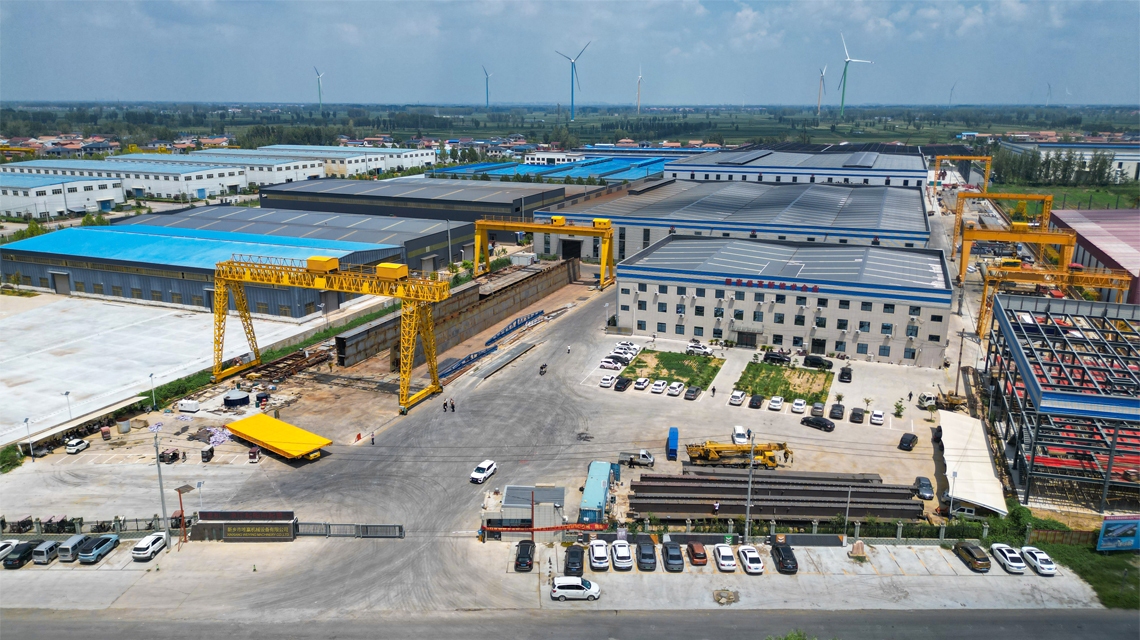
With 34 years of manufacturing experience and 12 years of export expertise, we have built a dual advantage of professional qualifications and a global presence. Our business covers more than 100 countries and regions across Asia, Europe, the Americas, Africa, and Oceania. We are certified under the ISO management system and hold CE product certifications. Our main product lines include six major series—electric hoists, electric winches, gantry cranes, bridge cranes, marine cranes, and portal cranes—comprising nearly 100 different models.
If you want to learn more, please contact us.
E-mail address: info@weiyinglift.com
Website:www.wycrane.com