An electric winch is widely used for pulling, hauling, towing, positioning, and, when specifically designed for it, lifting heavy loads. Its electric motor provides controlled pulling force and makes heavy-duty operations faster and more efficient than manual equipment.
However, the power of an electric winch also creates potential hazards. Overloading, damaged wire rope, poor anchoring, incorrect operation, and unsafe working areas can all lead to equipment damage or serious accidents.
Good electric winch safety starts with selecting the right equipment and continues through installation, inspection, operation, and maintenance. This guide explains the most common winch hazards, frequent operating mistakes, and practical safety practices for daily operation.
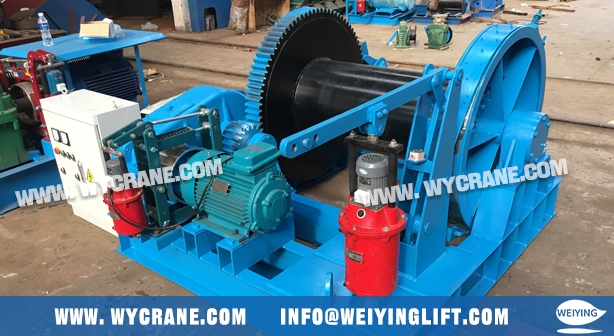
The main hazards associated with an electric winch are usually related to excessive loads, mechanical components, electrical systems, and uncontrolled movement of the load.
Operating an electric winch beyond its rated capacity is one of the most serious safety risks. Excessive loading can place abnormal stress on the motor, gearbox, drum, brake, wire rope, mounting structure, and anchor point.
The required pulling force also depends on the actual working conditions. A load being dragged across a rough surface may require considerably more pulling force than the same load moving on wheels.
Before operation, confirm that the required pulling force is within the winch’s rated capacity. If the application involves lifting, make sure the winch is specifically designed and rated for vertical lifting.
For a wire rope winch, the rope is a critical load-bearing component. Broken wires, corrosion, kinks, crushing, severe wear, or other deformation can reduce rope strength and affect reliable operation.
Incorrect winding can also create problems. If the rope is unevenly distributed on the drum, it may overlap, become trapped, or experience excessive local stress.
The wire rope should therefore be inspected regularly and wound onto the drum as evenly as possible during operation.
A winch can only operate safely when its supporting structure and anchor point are strong enough for the forces generated during pulling.
Loose mounting bolts, weak foundations, unsuitable anchor points, or incorrect installation can cause the winch to shift or the supporting structure to deform under load.
The installation should follow the manufacturer’s requirements, and the winch should be properly aligned with the intended pulling direction.
Electric winches are generally designed to work with the rope following the intended direction of travel. Pulling at an excessive angle can cause uneven rope winding and additional forces on the drum, rope, mounting structure, and attachments.
If the load cannot be aligned with the winch, a suitable sheave or pulley arrangement may be required. The equipment configuration should remain within the manufacturer’s rated operating conditions.
A tensioned wire rope stores considerable energy. If the rope breaks or an attachment point fails, the rope and connected components may move suddenly.
Workers should therefore stay away from the line of fire, including the direct path between the winch and load and other areas where the rope or load could move unexpectedly.
People should never stand on or near a tensioned wire rope, between the winch and load, or underneath a suspended load when the equipment is being used for lifting.
Because an electric winch contains motors, cables, switches, and control components, electrical safety is also important. Damaged cables, poor connections, moisture, or unsuitable power supplies can create electrical hazards or cause equipment malfunction.
Outdoor and marine applications may introduce additional risks from rain, saltwater, dust, corrosion, and extreme temperatures. The winch should have protection appropriate for its actual operating environment.
Many winch accidents result from incorrect operating practices rather than sudden mechanical failure. Avoiding a few common mistakes can significantly improve winch safety.
Not every electric winch is designed for the same purpose. A towing winch, marine winch, pulling winch, and lifting-rated winch may have different structural and braking requirements.
A common mistake is choosing equipment based only on capacity. The winch must also match the required movement, duty cycle, rope configuration, installation method, and environment.
If the primary task is repeated vertical lifting, a purpose-designed electric hoist or lifting winch may be more appropriate than a general-purpose pulling winch.
Even if a winch operated normally the previous day, its condition can change because of wear, corrosion, loose connections, or damage to the rope and attachments.
Starting the equipment without checking these components can allow a small problem to become a major failure.
A short inspection before operation is therefore an important part of safe electric winch operation.
Trying to move a load that is not aligned with the winch can cause the rope to wind unevenly onto the drum. Operators sometimes continue pulling because the equipment is still functioning, but this can increase mechanical stress and create an unsafe rope configuration.
The pulling path should be checked before starting, and suitable guiding equipment should be used when necessary.
Suddenly applying maximum power to a stationary load can create shock loading. Similarly, abrupt stopping can cause unexpected movement of the load and additional stress on mechanical components.
Whenever the application allows it, the operator should start and stop the winch smoothly while monitoring the load and rope.
A loaded winch should not be left operating without supervision. The operator should remain able to stop the equipment if the load shifts, the rope becomes damaged, an obstruction appears, or another abnormal condition develops.
Safe operation is easier when the process is divided into three stages: before operation, during operation, and after operation.
Before starting the electric winch, confirm that the equipment and work area are ready.
Check the:
The load should be securely attached, and unnecessary personnel and obstacles should be removed from the working area.
Start the winch gradually and observe how the load responds. The operator should monitor the rope winding, load movement, anchor point, and supporting structure throughout the operation.
Keep the rope properly aligned and avoid sudden changes in direction or speed. Clear communication is particularly important when several workers are involved.
Most importantly, personnel should remain outside the danger zone and never attempt to touch, guide, or adjust a tensioned wire rope by hand.
If unusual noise, vibration, rope movement, brake behavior, or load movement occurs, stop the winch and investigate the problem before continuing.
After completing the operation, release the load safely and switch off the equipment according to the manufacturer’s procedure.
The winch should also be checked for signs of abnormal wear, damage, overheating, or loose components. Problems identified during operation should be recorded and corrected before the next use.
Regular maintenance should include inspection of the wire rope, brake, gearbox, motor, electrical components, drum, mounting structure, and other critical parts according to the manufacturer’s recommendations.
| Check | What to Confirm |
| Load | Within rated capacity |
| Wire Rope | No serious damage, kinks, corrosion, or deformation |
| Drum | Rope is properly and evenly wound |
| Mounting | Secure and correctly aligned |
| Anchor Point | Suitable for the required pulling force |
| Brake | Operating correctly |
| Controls | Functioning normally |
| Electrical System | Cables and connections are in good condition |
| Working Area | Clear of people and obstacles |
| Environment | Suitable for safe operation |
Effective electric winch safety depends on more than simply following the control instructions. The equipment must be suitable for the application, correctly installed, properly inspected, and operated within its rated conditions.
The most common risks include overloading, damaged wire rope, poor anchoring, side pulling, electrical hazards, and people entering the line of fire. Common operating mistakes such as skipping inspections, using the wrong type of winch, and starting or stopping too aggressively can further increase these risks.
By checking the equipment before operation, maintaining proper rope alignment, controlling the load smoothly, keeping people away from hazardous areas, and following the manufacturer’s instructions, operators can make electric winch operations safer and more reliable.
For industrial applications, the final safety requirements should always be determined according to the winch manufacturer’s specifications and applicable local safety standards and regulations.
Only an electric winch specifically designed and rated for vertical lifting should be used for suspended-load lifting. A general-purpose pulling winch should not automatically be treated as a lifting device.
Before operation, check the load, wire rope, drum, brake, controls, mounting, and anchor point. During operation, keep the rope aligned, start and stop smoothly, monitor the load, and keep personnel away from hazardous areas.
The winch should receive a pre-operation inspection before use, with more detailed periodic inspections and maintenance according to the manufacturer’s recommendations, operating frequency, and working environment.
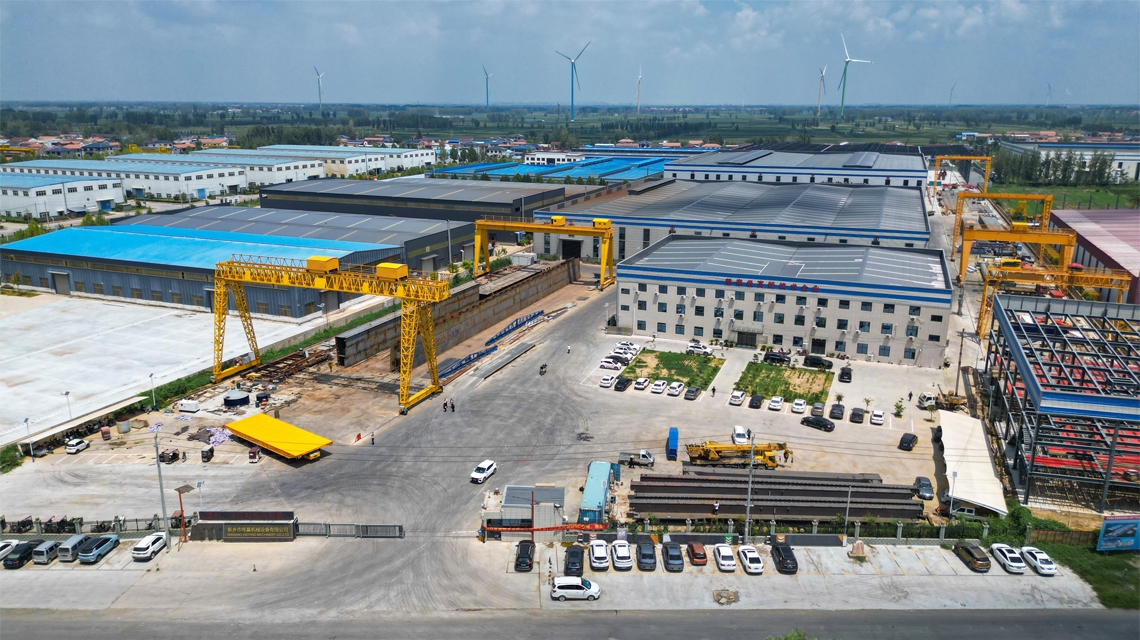
With 34 years of manufacturing experience and 12 years of export expertise, we have built a dual advantage of professional qualifications and a global presence. Our business covers more than 100 countries and regions across Asia, Europe, the Americas, Africa, and Oceania. We are certified under the ISO management system and hold CE product certifications. Our main product lines include six major series—electric hoists, electric winches, gantry cranes, bridge cranes, marine cranes, and portal cranes—comprising nearly 100 different models.
If you want to learn more, please contact us.
E-mail address: info@weiyinglift.com
Website: www.wycrane.com