

Before performing any troubleshooting on an electric hoist, disconnect the power supply and apply lockout/tagout (LOTO) procedures. Troubleshooting involving brakes, wire ropes, or electrical components should only be performed by qualified personnel. Never work under a suspended load.
Quick Diagnostic Table
| Symptom | Likely Cause | Primary Risk | First Check |
|---|---|---|---|
| No response | Power / emergency stop / controller | Misjudging live circuits | Reset E-stop, check power, check fuses |
| Abnormal noise | Lack of lubrication / wear / loose parts | Secondary damage | Stop machine, locate noise, check oil level |
| Overheating | Overload / phase loss / brake dragging | Fire / motor burnout | Measure current, check brake release |
| Brake slipping | Worn brake lining / oil contamination / excessive gap | Dropped load | Stop lifting; inspect brake |
| Wrong direction | Phase sequence / wiring | Collision with limits | Cut power; check phase sequence |
| Oil leakage | Seal / overfilling / blocked breather | Lubrication failure | Clean and locate leak point |
| Wire rope issues | Broken wires / kinking / uneven spooling | Rope failure | Inspect against discard criteria |
Problem 1: Hoist Doesn’t Start at All
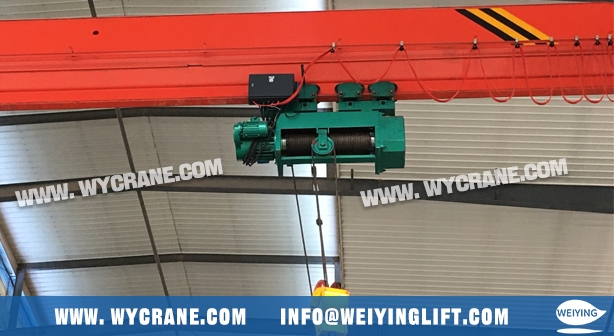
SymptomsNo sound or movement when the start button is pressed.
Possible causesNo power supply, emergency stop not reset, blown fuse or tripped breaker, contactor not engaging, thermal relay tripped, dead remote-control battery, or a limit switch falsely triggered.
How to troubleshoot
- Measure the supply voltage at the input terminals.
- Reset the emergency stop and confirm the controller has power.
- Check fuses and the thermal relay.
- Manually test the contactor (by qualified personnel only).
- Check upper/lower limit switches and the remote control battery or pairing.
Fix and preventionRestore power, replace fuses with correctly rated units, resolve the root cause of the overload before resetting the thermal relay, and allow cooling time. Replace remote batteries regularly and use waterproof remotes in damp environments.
Problem 2: Motor Hums but the Drum or Chain Doesn’t Move
Possible causesPhase loss, brake not releasing, jammed load, seized gearbox, damaged bearings, or low voltage.
How to troubleshootMeasure three-phase voltage and current, listen for the brake release “click” during a jog test, test under no load, and check for mechanical obstruction.
WarningDo not repeatedly jog the hoist to force a start. Running a motor with a missing phase will burn it out within minutes.
Problem 3: Abnormal Noise During Operation
Noise is often the earliest failure signal. Identify the type first:
- Motor hum: electrical issue — check for phase loss or low voltage.
- Metallic grinding (gearbox): check oil level and gear wear.
- Bearing whine: lubrication failure or worn bearings.
- Rope scraping / clicking guide rope: uneven spooling or a worn rope guide.
ActionLocate the sound source, check lubrication and oil levels, inspect gears and bearings, examine rope alignment and the rope guide, and tighten loose fasteners. Stop using the hoist immediately if noise is accompanied by heat, vibration, sparks, or burning smells.
Problem 4: Hoist Stops or Slows Down Under Load
Possible causesOverload, thermal protection activation, voltage drop, dragging brake, burnt contactor contacts, motor phase loss, or gear slippage.
How to troubleshootVerify the actual load against the rated capacity, measure running current and terminal voltage, confirm the brake fully releases, and inspect the contactor contacts.
FixSplit heavy loads into multiple lifts, improve supply wiring or connections, repair or replace contacts, and adjust the brake gap to specification.
Problem 5: Load Drifts Down / Brake Slipping After Stop
This is one of the most dangerous faults. A drifting load means the brake is no longer reliable.
Possible causesWorn brake lining, oil or water contamination on friction surfaces, excessive brake gap, fatigued springs, a scored or cracked brake drum, or heat fade from excessive jogging.
How to troubleshootPerform a no-load and rated-load brake test, measure lining thickness, clean friction surfaces, and check the brake gap.
SafetyTag out the hoist immediately. Never “fix” slipping by cranking up the spring pressure — this masks the root cause and can cause catastrophic brake failure under load.
Problem 6: Hoist Won’t Stop or Runs in the Wrong Direction
Possible causesWelded/stuck contactor contacts, shorted control circuit, reversed phase sequence, stuck control buttons, or failed limit switches.
How to troubleshootHit the emergency stop and cut power first. Then check whether the contactor is mechanically stuck, whether buttons return to position, and whether the phase sequence is correct.
SafetyA welded contactor must be replaced — never filed and reused. Do not re-energize the hoist until the fault is fully resolved.
Problem 7: Remote or Pendant Control Not Responding
Possible causesDead batteries, damaged transmitter, receiver without power, radio interference, lost pairing, broken cable, or water ingress in buttons.
How to troubleshootReplace batteries, measure receiver power supply, re-pair the remote, check for same-frequency interference, and inspect pendant cables and buttons.
PreventionUse original or compatible replacement remotes, choose high IP-rated units for humid environments, and avoid multiple remotes sharing the same frequency.
Problem 8: Motor Overheating or Tripping Thermal Protection
Possible causesOverload, phase loss, abnormal voltage, brake not releasing, high ambient temperature, blocked cooling vents, excessively frequent starts, or degraded winding insulation.
How to troubleshootUse an infrared thermometer, check three-phase current balance and supply voltage, verify brake release, clean cooling passages, and compare the actual duty cycle against the hoist’s duty rating (FEM/ISO class).
FixReduce load or upgrade capacity, repair the brake, improve ventilation, replace worn contactors or the motor, and adjust the operating cycle.
Problem 9: Gearbox Oil Leakage
Possible causesAging oil seals, cracked housing, overfilling, blocked breather, loose bolts, or emulsified oil.
How to troubleshootClean the gearbox and observe where oil reappears, check the oil level against the sight glass, inspect the breather, and examine seals and mating surfaces.
FixReplace seals and gaskets, top up oil to the midline of the sight glass, replace degraded gear oil, and retire or professionally repair cracked housings.
Problem 10: Wire Rope Problems — Broken Wires, Twisting, Birdcaging, Uneven Spooling
Possible causesOverloading, side pulling, worn sheaves or drum grooves, a failed rope guide, insufficient lubrication, installation twist, or a rope kept in service past its discard criteria.
How to troubleshootInspect the rope against discard standards — broken wire count per lay, diameter reduction, deformation, corrosion; check drum grooves and sheaves; and inspect rope end terminations.
FixReplace the rope, realign or replace the rope guide, replace worn sheaves/drums, install and pre-tension the new rope correctly, and establish a scheduled replacement interval.
Preventive Maintenance Schedule
Daily: brake test, limits, emergency stop, unusual noise, oil leaks, rope visual inspection.
Weekly / Monthly: lubrication, bolt tightness, contactor contacts, remote batteries, cleaning.
Quarterly / Annually: insulation resistance, grounding, brake disassembly inspection, load test, rope and hook discard assessment.
When to Stop Using the Hoist Immediately
unreliable braking, rope at discard criteria, hook cracks or excessive throat opening, failed limit switches or emergency stop, abnormal noise with vibration or heat, or electrical sparks and burning smells.
FAQ
Why does my electric hoist trip the breaker as soon as it’s powered on?
The hoist works unloaded but stops under load — what now?
Should I replace a rope with one or two broken wires?
About us
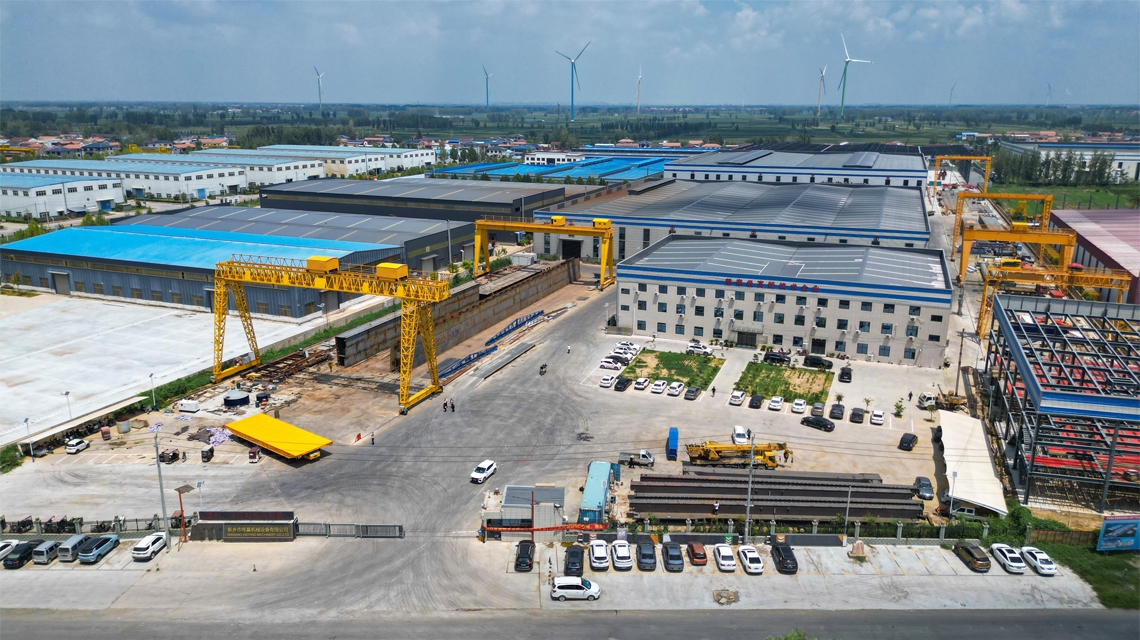
With 34 years of manufacturing experience and 12 years of export expertise, we have built a dual advantage of professional qualifications and a global presence. Our business covers more than 100 countries and regions across Asia, Europe, the Americas, Africa, and Oceania. We are certified under the ISO management system and hold CE product certifications. Our main product lines include six major series—electric hoists, electric winches, gantry cranes, bridge cranes, marine cranes, and portal cranes—comprising nearly 100 different models.
If you want to learn more, please contact us.