

Why Electric Hoist Safety Matters
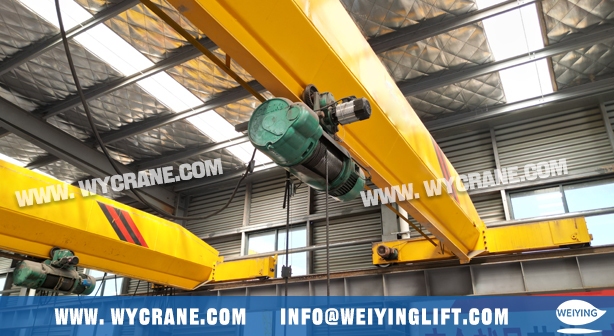
Before You Start: Electric Hoist Pre-Operation Checklist
Visual Inspection
- Wire rope / chain: Check for broken wires, wear, kinks, corrosion, deformation, and adequate lubrication.
- Hook: Confirm the safety latch works, and check for cracks, excessive throat opening, free rotation, and wear marks.
- Brake: Perform a no-load jog test — the brake must hold reliably with no drift.
- Limit switches: Verify upper and lower limits stop travel accurately.
- Remote / pendant control: Test all buttons, the emergency stop, cable condition, and indicator lights.
- Structural components: Inspect the trolley, beam, bolts, welds, travel wheels, and rope guide.
- Power and grounding: Look for damaged cables, worn plugs, proper grounding, and correct voltage.
Work Area Setup
- Clear the zone: No personnel under or near the load path; set up warning barriers where needed.
- Plan the travel path: Confirm no overhead obstructions and no crossover work below.
- Lighting and visibility: The operator must see the load and its landing point at all times. If not, use a spotter.
- Environment: Verify the hoist’s rating matches conditions — high temperature, humidity, dust, corrosive atmospheres, or explosive zones (ATEX) require specially selected equipment.
Basic Safety Rules During Operation
Never exceed rated capacity. Know the hoist’s rated load and duty class. Overloading is the number one cause of rope and brake failure.
Wear proper PPE. Hard hat, safety shoes, gloves, and high-visibility vest are the minimum; add eye and hearing protection as the task requires.
Secure and balance the load. Identify the center of gravity, use correct lifting points, keep sling angles safe, and protect ropes from sharp edges.
Always test-lift. Raise the load 100–200 mm off the ground, pause, and check braking and balance before continuing.
Lift and lower smoothly. No side pulling, no sudden starts or stops, no dragging or swinging loads.
Never lift people. Personnel lifting is prohibited unless the system is specifically designed and certified for it. Never steady a swinging load by hand in the danger zone.
Communicate clearly. Use standard hand signals, radios, or agreed commands — with one designated person giving instructions.
In an emergency: stop first, protect people, then equipment. Hit the emergency stop, cut power, and lock out before investigating.
Do’s and Don’ts of Electric Hoist Operation
- Follow the manufacturer’s operating manual
- Perform daily inspections and scheduled maintenance — and keep records
- Use proper slings and rigging hardware
- Verify brakes, limits, and the emergency stop before each shift
- Stop immediately on unusual noise, smell, vibration, or heat
- Don’t overload, side-pull, lift personnel, or work under a suspended load
- Don’t bypass or disable limit switches, emergency stops, or overload protection
- Don’t use the hoist to drag objects buried or jammed in place
- Don’t leave a load suspended unattended
Emergency Procedures
Load drifting down / brake slip: Emergency stop → clear the area → cut power → lock out → inspect brake lining, clutch, and rope. Do not use the hoist again until the brake passes a load test.
Motor overheating, smoking, or burning smell: Stop and allow cooling. Check supply voltage, phase loss, brake release, overload, and ventilation.
Load swinging or out of control: Don’t fight it with sudden reverse commands — reduce speed and let the load stabilize, then lower it to a safe area.
Rope jumping off the drum or jamming: Stop and lock out before handling. Never touch a moving rope.
Personnel injury: Administer first aid, report per protocol, and preserve the equipment and inspection records for investigation.
Maintenance and Storage
| Interval | Key Tasks |
|---|---|
| Daily | Brake test, limits, E-stop, noise, leaks, rope visual check |
| Weekly / Monthly | Lubrication, fastener torque, electrical contacts, cleaning |
| Quarterly / Annually | Insulation resistance, brake disassembly, load test, rope & hook discard assessment |
FAQ
What must be checked before using an electric hoist each day?
How high should a test lift be?
How many broken wires mean a rope must be discarded?
Can I reset the emergency stop and keep working after an E-stop event?
When must a hoist be taken out of service immediately?
About us
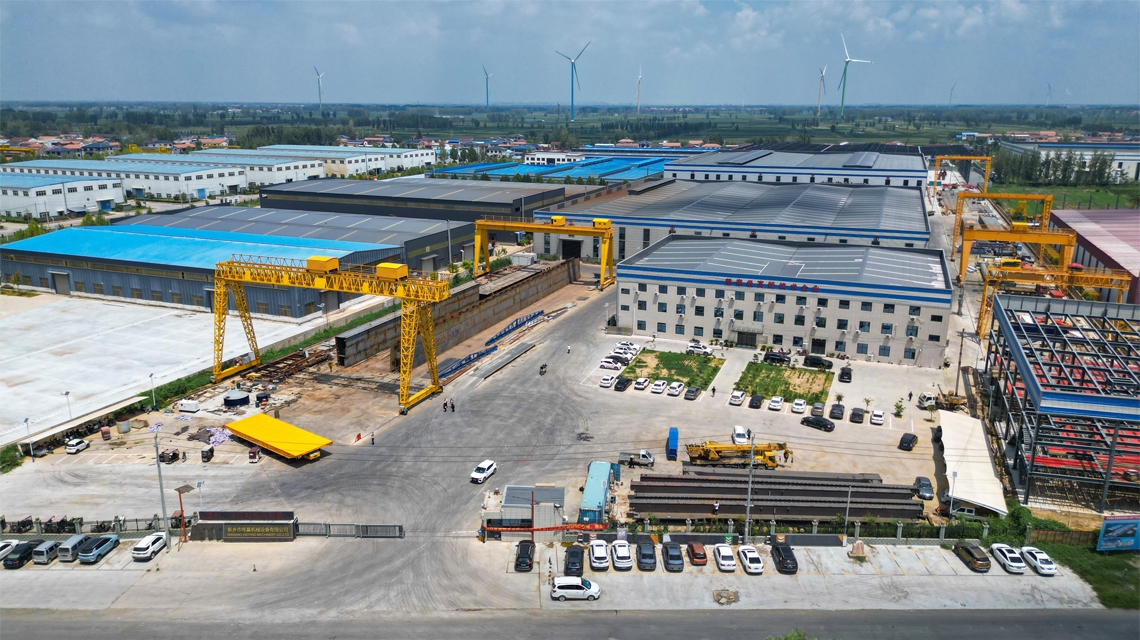
With 34 years of manufacturing experience and 12 years of export expertise, we have built a dual advantage of professional qualifications and a global presence. Our business covers more than 100 countries and regions across Asia, Europe, the Americas, Africa, and Oceania. We are certified under the ISO management system and hold CE product certifications. Our main product lines include six major series—electric hoists, electric winches, gantry cranes, bridge cranes, marine cranes, and portal cranes—comprising nearly 100 different models.
If you want to learn more, please contact us.